In this article
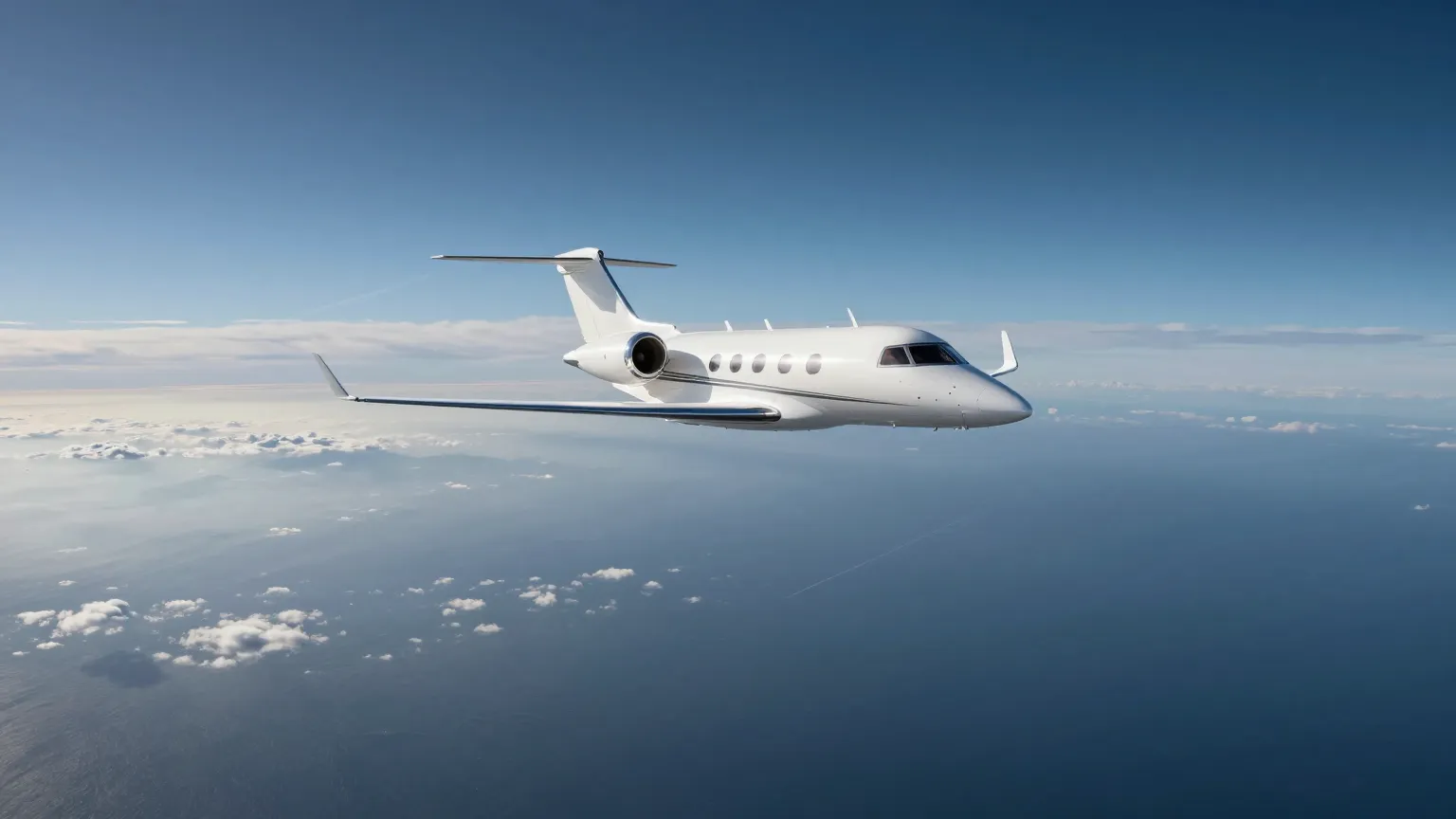
Range is the most-quoted and least-understood number in private aviation. Brochures print the best case; your trip flies the real one. Here's how to translate — and how to pick a cabin whose real range fits your actual mission.
What a range number actually means
A published maximum range assumes conditions your trip may not have: a lightly loaded cabin, ideal cruise altitudes, cooperative winds, and standard fuel reserves. Real trips subtract from it:
- Headwinds. Flying west across the U.S. in winter can meaningfully stretch flight time and shrink effective range. The same aircraft that comfortably flies eastbound coast-to-coast may want a stop westbound.
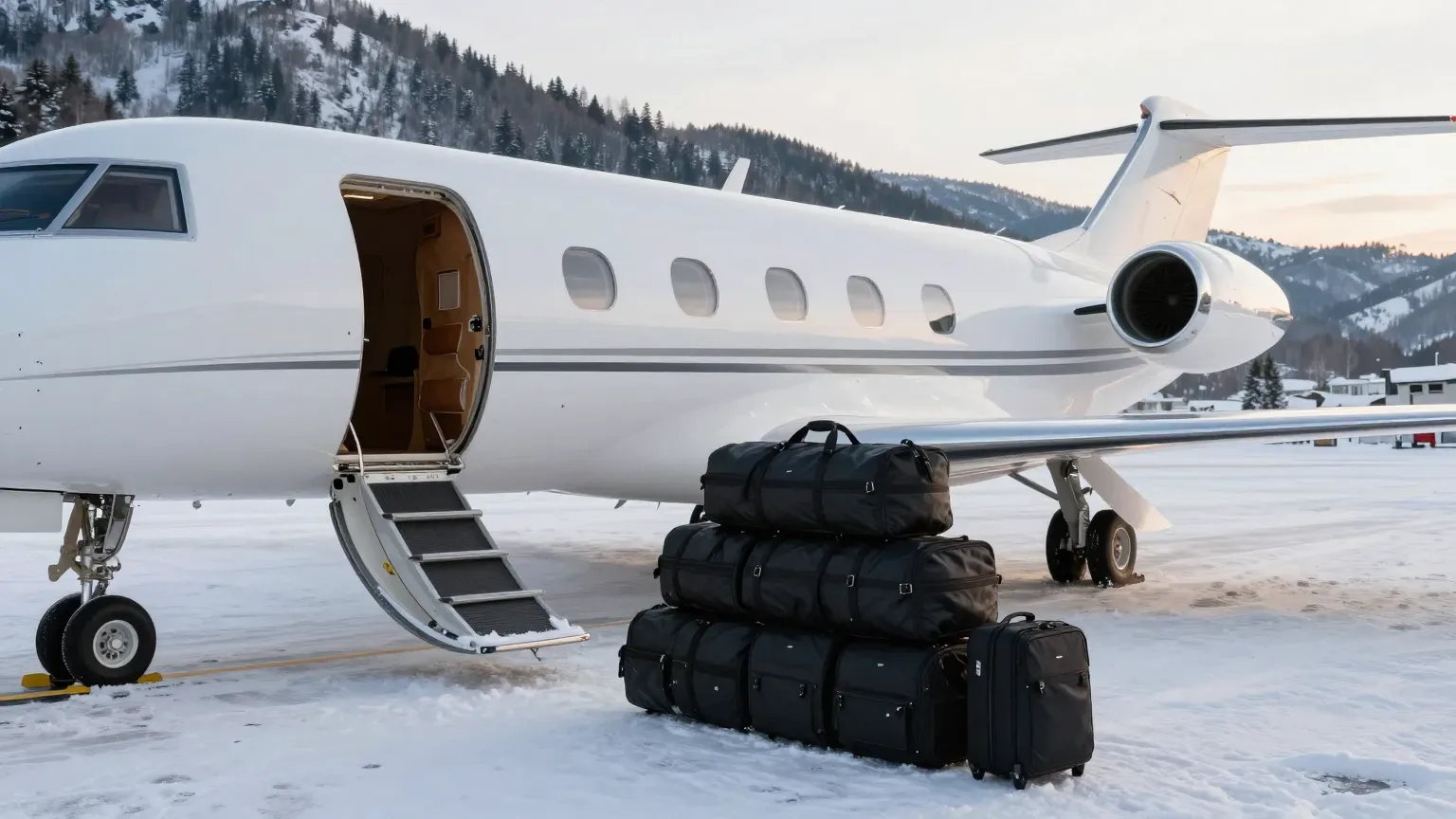
- Payload. Every passenger and bag is fuel not carried. A full cabin flies shorter than a brochure.
- Weather reserves. If the destination forecast is marginal, the flight must carry fuel to reach an alternate — off the top of your usable range.
None of this is a flaw. It's physics, and a desk that mentions it before you ask is a desk doing its job.
The category ladder
Range climbs with cabin size, which is one big reason category drives price:
- Turboprops own the short hops — the sub-hour regional runs where a jet barely reaches cruise before descending.
- Light jets cover the classic two-to-three-hour missions: LA–Vegas, LA–Aspen, New York–Florida.
- Midsize jets stretch into serious cross-country legs — this is the category our desk prices for coast-to-coast trips like Los Angeles to New York, with winds and season deciding how comfortably nonstop it is.
- Super-midsize does transcontinental with margin, full cabin and all.
- Heavy jets open the Atlantic — U.S. East Coast to Europe nonstop.
- Ultra long range is the anywhere category: transpacific, deep intercontinental pairings, the missions where the aircraft outlasts the passengers.
Every model page in the fleet guide lists specific real-world figures per aircraft, kept current so you're not comparing against a decade-old brochure.
The fuel stop, reconsidered
People treat a fuel stop as a failure. Often it's the smart trade. A right-sized aircraft with one 45-minute stop frequently beats a much larger jet flying nonstop — on total cost, and sometimes nearly on total time, since the smaller aircraft may use closer-in airports on both ends. The desk prices both options when a mission sits on the boundary; the answer is math, not pride.
Match the mission, not the maximum
The expensive mistake is buying range you don't use — a heavy jet for a one-hour hop because bigger felt safer. The categories exist because missions differ. Put your real route into the cost calculator or the quote wizard, and let the trip pick the aircraft.
Questions this raises
Asked at the desk
Super-midsize and larger jets do it routinely with a full cabin. Midsize jets often can, with winds and passenger load deciding how comfortably, and a westbound winter leg is the one most likely to want a stop.
Published range assumes a light cabin, ideal altitudes, and cooperative winds. Headwinds, a full passenger load, and fuel reserves for a weather alternate all subtract from it on a real trip.
Often it is the smart trade. A right-sized aircraft with one short stop frequently beats a much larger jet flying nonstop on total cost, and sometimes nearly on total time, because it can use closer-in airports on both ends.
JetNine dispatch desk · Updated September 3, 2026 · aircraft · range · how it works