In this article
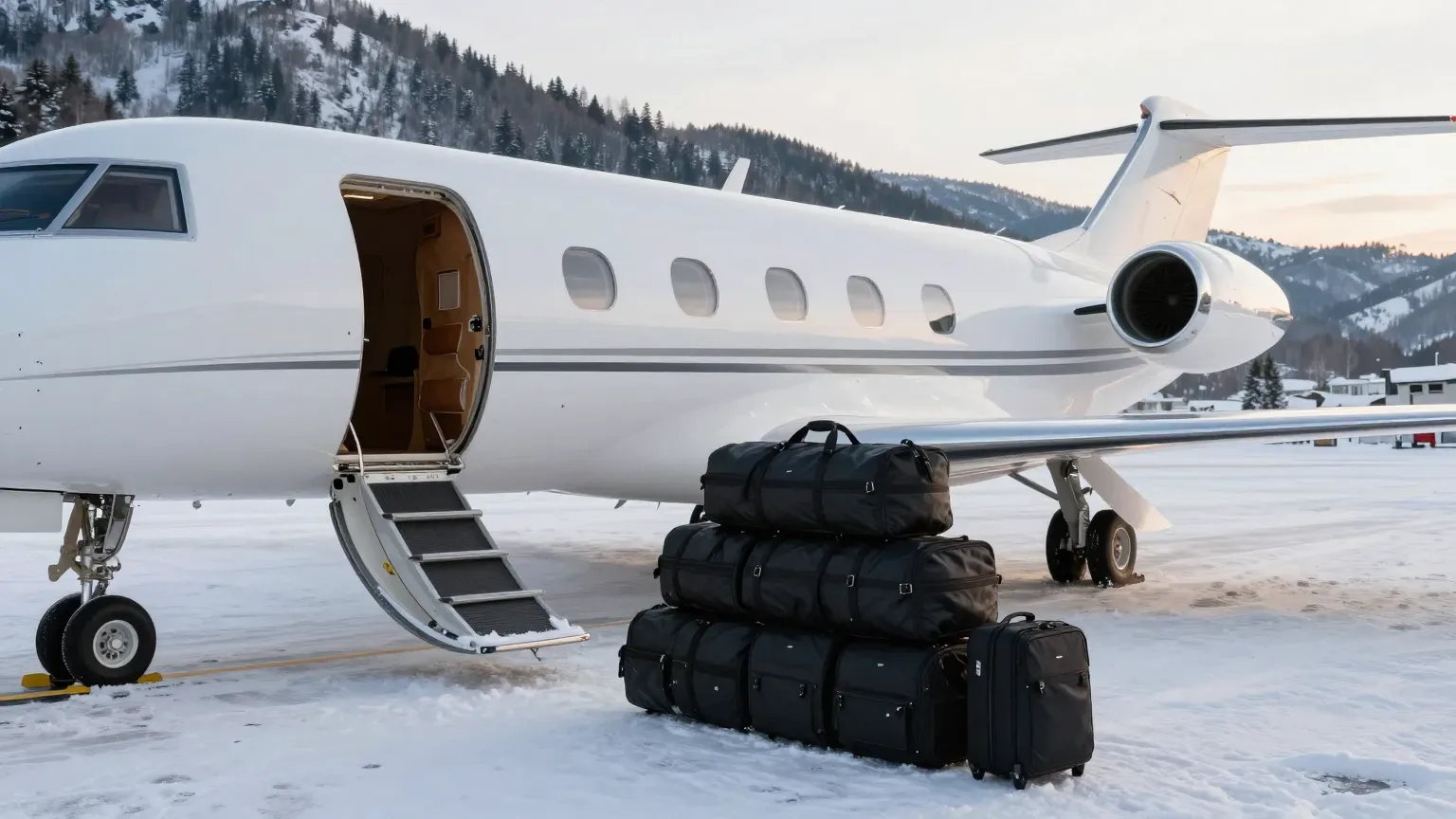
Ski season requests started landing on the desk in late September, and they arrive with a question that usually comes a beat too late: how much can we actually bring? Private jet luggage limits are not an allowance printed on a boarding pass. They are a volume problem, a shape problem, and occasionally a weight-and-balance problem, and all three get settled when the aircraft is assigned, not at the curb. Early October is the right moment to sort it out, because the aircraft that carries six people and six ski bags into a mountain field is not always the one you would have picked from the price column.
A luggage limit is a volume, not an allowance
Airlines sell you bags. Charter sells you an aircraft, and the aircraft comes with a hold of fixed size. There is no per-passenger allowance to negotiate and no fee to pay for a second case. What exists instead is a baggage compartment measured in cubic feet, a door opening with real dimensions, and a maximum compartment weight the operator will not exceed because the flight manual says so.
That reframes the whole conversation. Rather than counting bags, count volume and shape. Four hard roll-aboards and four soft duffels look identical on a packing list and behave nothing alike in a tapering tail compartment, because duffels compress into the corners and hard cases refuse to. When our dispatchers ask for bag count and bag type, that is why. The answer changes which tail we send.
The second thing it reframes: the hold is usually the binding constraint, not the seats. A light jet seats six or seven comfortably. Six passengers with a week of winter clothing will fill the baggage compartment long before anybody in the cabin feels crowded. If you are choosing between categories, the honest comparison is in the baggage row of the aircraft comparison, not the passenger row.
What actually fits, by category
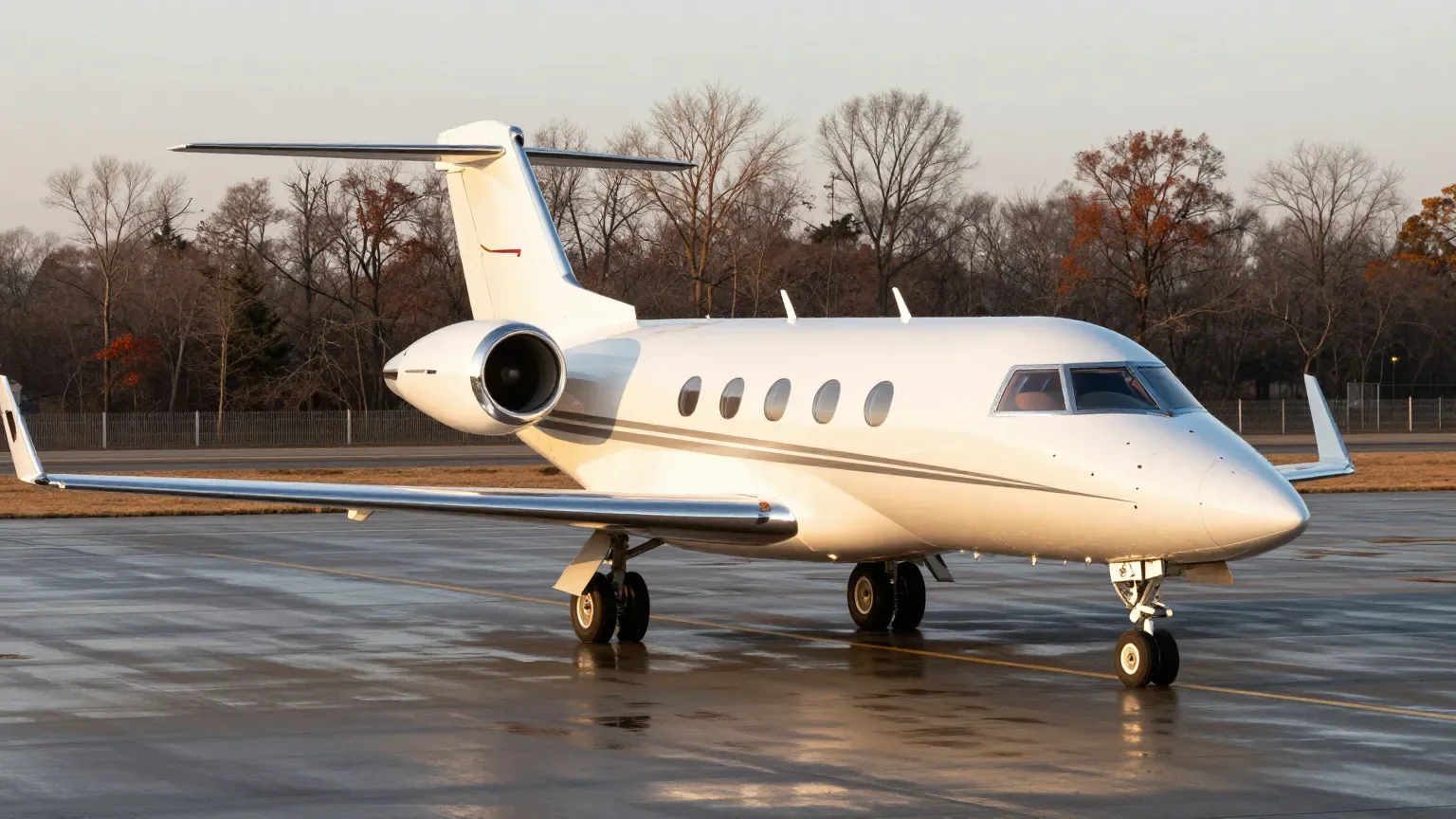
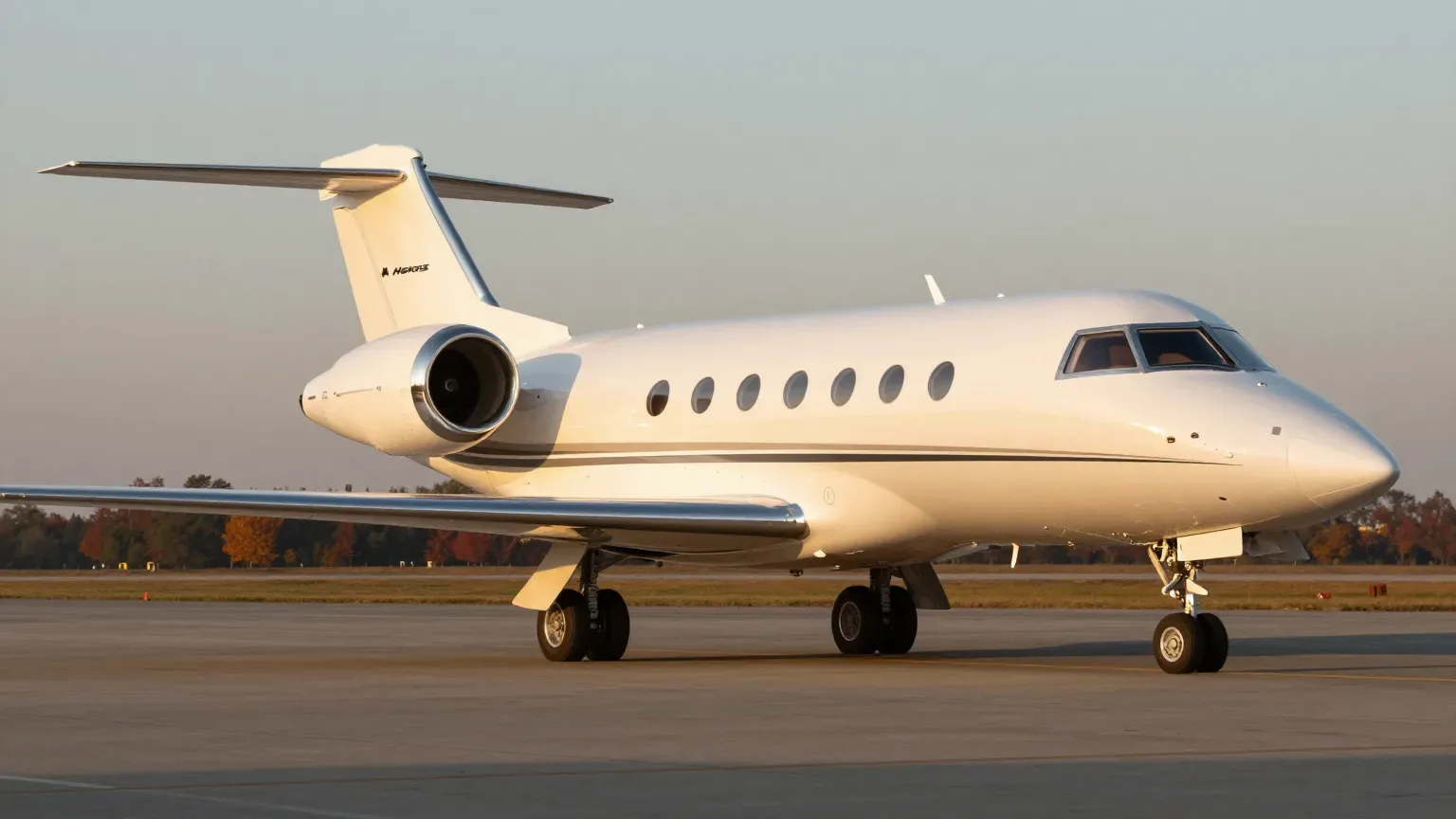
The categories separate more sharply on baggage than most people expect. Published compartment volumes across our network run roughly: 50 cubic feet on a turboprop, externally loaded; 55 on a light jet; 90 on a midsize; 110 on a super-midsize; 195 on a heavy; 220 on an ultra-long-range aircraft.
Those numbers only mean something once you convert them into luggage. A standard carry-on roll-aboard occupies a little under 2 cubic feet. A large checked case runs closer to 4. Then discount the total by a meaningful margin, because no compartment packs to 100 percent of its nominal volume once you account for the door, the shape of the space, and the fact that somebody has to be able to reach the bag at the bottom.
Do that arithmetic and the picture gets concrete. A light jet with 55 cubic feet handles a few days away for four to six people without drama. The same cabin with six full-size checked cases and ski bags is a conversation, not a booking. The step up to midsize nearly doubles the hold, which is the real reason so many winter mountain trips end up in that category even when the passenger count would fit a smaller one.
Skis, boards, golf bags, and the awkward shapes
Volume is the first filter. Length is the second, and it is the one that catches people out in October.
A padded single-ski bag typically runs close to six feet. A snowboard bag is shorter but wider and stiffer. Neither cares about cubic feet in the abstract; both care whether there is a straight run of six feet somewhere in the compartment and a door opening they will pass through. Some aircraft in every category have a long, narrow external compartment that takes skis beautifully. Others have a boxy internal hold that takes the same volume of soft bags and will not accept a six-foot rigid object at any angle.
This is one of the places turboprops quietly outperform their category. External baggage loading on the mountain workhorses often means a long compartment with a generous door, which is exactly the shape ski bags want. It is also why we ask for the dimensions of oversized items rather than a count. Golf travel cases, bike boxes, camera cases, cellos, and hunting cases all land in the same bucket: give us length, width, height, and whether the item is rigid, and we match it to an airframe rather than to a category.
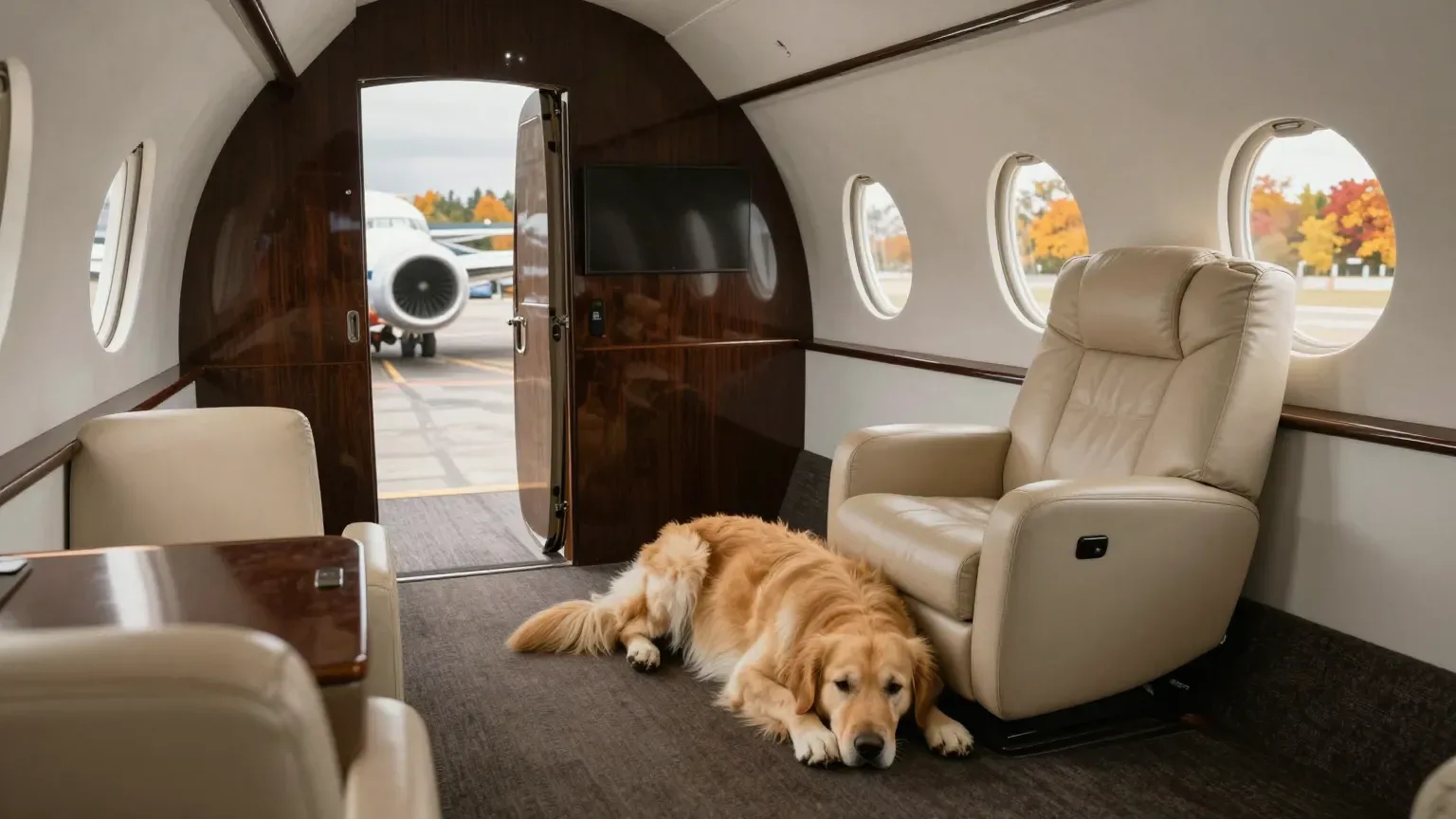
One more item worth flagging early, because it changes the aircraft list rather than just the packing plan: a dog in a hard crate takes cabin or compartment space that has to be planned for, not discovered on the ramp.
The weight side, and why mountain fields care more
Volume runs out first on most trips. Weight runs out first on the trips that matter in winter.
Every aircraft has a maximum takeoff weight, and the useful payload under that ceiling has to cover passengers, bags, and fuel. Those three compete. On a long leg with full tanks, the bag allowance tightens. The reverse is also true, which is why a heavy load sometimes buys a fuel stop rather than a bigger aircraft.
High-elevation airports compress the math further. Thinner air at altitude, and on a warm afternoon thinner still, reduces the weight an aircraft can legally lift off a given runway. Aspen, Telluride, and Jackson Hole are the familiar examples, and the reason we hold a tighter aircraft and crew standard for them. Aspen-Pitkin is a single runway at roughly 7,800 feet of elevation with a one-way approach and a night curfew, which is a short way of saying the performance numbers there are not theoretical. Our Aspen charter guide covers the field constraints in detail.
The practical consequence is simple. On a flat-land leg, an extra two cases are a packing question. Into a mountain field in December, the same two cases can be the difference between a non-stop and a fuel stop, or between one aircraft and the next size up. Tell us about them in advance and it is an aircraft selection decision. Tell us at the FBO and it is a delay.
How to brief the desk so the aircraft fits the bags
Four lines in your first message to dispatch prevent nearly every baggage problem we see:
- Passenger count, and whether anyone is bringing a child seat.
- Total bag count, split by type: roll-aboards, large checked cases, soft duffels, garment bags.
- Every oversized item with dimensions, flagged as rigid or soft. Skis, boards, golf, instruments, strollers, pet crates.
- Anything that cannot be stowed out of reach for the flight, such as medication or equipment you need in the cabin.
That list takes a minute to write and it is the difference between a quote you can rely on and a quote that changes at the ramp. The broader version of the same discipline lives in our charter checklist.
Two habits worth adopting if you fly in winter regularly. Pack soft where you can, because compressible bags are worth more usable volume than their dimensions suggest. And ship the bulky, non-urgent items ahead when the trip is long. A week of ski gear sent to the house or the hotel costs a fraction of stepping up an aircraft category for the single purpose of carrying it.
Booking into the ski calendar
The reason this matters now rather than in December is that the aircraft with the right hold is the scarce item on peak winter dates, not the aircraft in general. Mountain-capable tails with mountain-current crews are a subset of the fleet, the Saturdays around the holidays fill the ramp at the marquee fields, and curfews narrow the usable day at both ends.
So settle the baggage question while the calendar is still open. Count your volume, measure your long items, pick the category that carries them with margin rather than exactly, and book the date. The packing list is the part of a charter you control completely, which makes it a strange thing to leave until the morning of the flight.
Ready to size a winter trip properly? Tell us the route, the dates, the passenger count, and the bags, and we will come back with the aircraft that fits all four.
Questions this raises
Asked at the desk
Not in the airline sense. There is no per-passenger allowance, but the aircraft has a baggage compartment of fixed volume, a door of fixed dimensions, and a maximum compartment weight the operator will not exceed. The limit is the aircraft, not the ticket.
Light jets in our network carry roughly 55 cubic feet of baggage, which comfortably handles four to six people travelling for a few days. Six full-size checked cases plus ski bags is where a light jet starts running out of room, and midsize, with around 90 cubic feet, becomes the better fit.
Usually yes, but it depends on the airframe rather than the category. A padded ski bag runs close to six feet and needs a straight run of compartment plus a door it will pass through. Give us the length and whether the item is rigid, and we match it to a specific aircraft.
It can. Passengers, bags, and fuel all draw on the same useful payload under the aircraft maximum takeoff weight. On long legs or at high-elevation mountain airports, extra weight can mean a fuel stop or a larger aircraft, which is why we ask about bags before assigning a tail.
In your first message, alongside the route and passenger count. Baggage is an aircraft selection decision when we hear about it early and a delay when we hear about it at the FBO.
JetNine dispatch desk · Updated October 3, 2026 · how it works · aircraft · seasonal · first booking