Skip to content

Super-mid charter

Room to settle in. Range to go further.

Faster, longer, and a flat-floor cabin. Transatlantic non-stop on most legs. The category that disappears the difference between coast-to-coast and Europe — and feels heavy-jet inside without the heavy-jet hourly.

Passengers · Typical layout
8–10
Range · Max with reserves
3,500 nm
Speed · Cruise
488 kt
Endurance · One leg
~7 hr
Cruise altitude · Typical cruise
45,000 ft
Baggage · Internal + external
110 cu ft

A little more space changes the journey.

01
Transatlantic non-stop

NYC to London or Paris with reserves. East-coast to most of Europe in a single leg.

02
Coast-to-coast into wind

LA to NYC westbound, into 100-knot headwinds, non-stop. Where midsize would tech-stop.

03
Group of 8–10

Full conference around the table. Two work groups facing each other. Real meeting space at altitude.

04
The right-sized upgrade

The honest answer when midsize is a stretch but heavy-jet is overkill. Most cross-continent missions land here.

A super-midsize label does not guarantee a transatlantic nonstop with a full cabin and bags.

Three aircraft to consider.

Representative models to discuss — not live aircraft inventory. We source the right aircraft per trip from a network of vetted Part 135 operators.

Bombardier

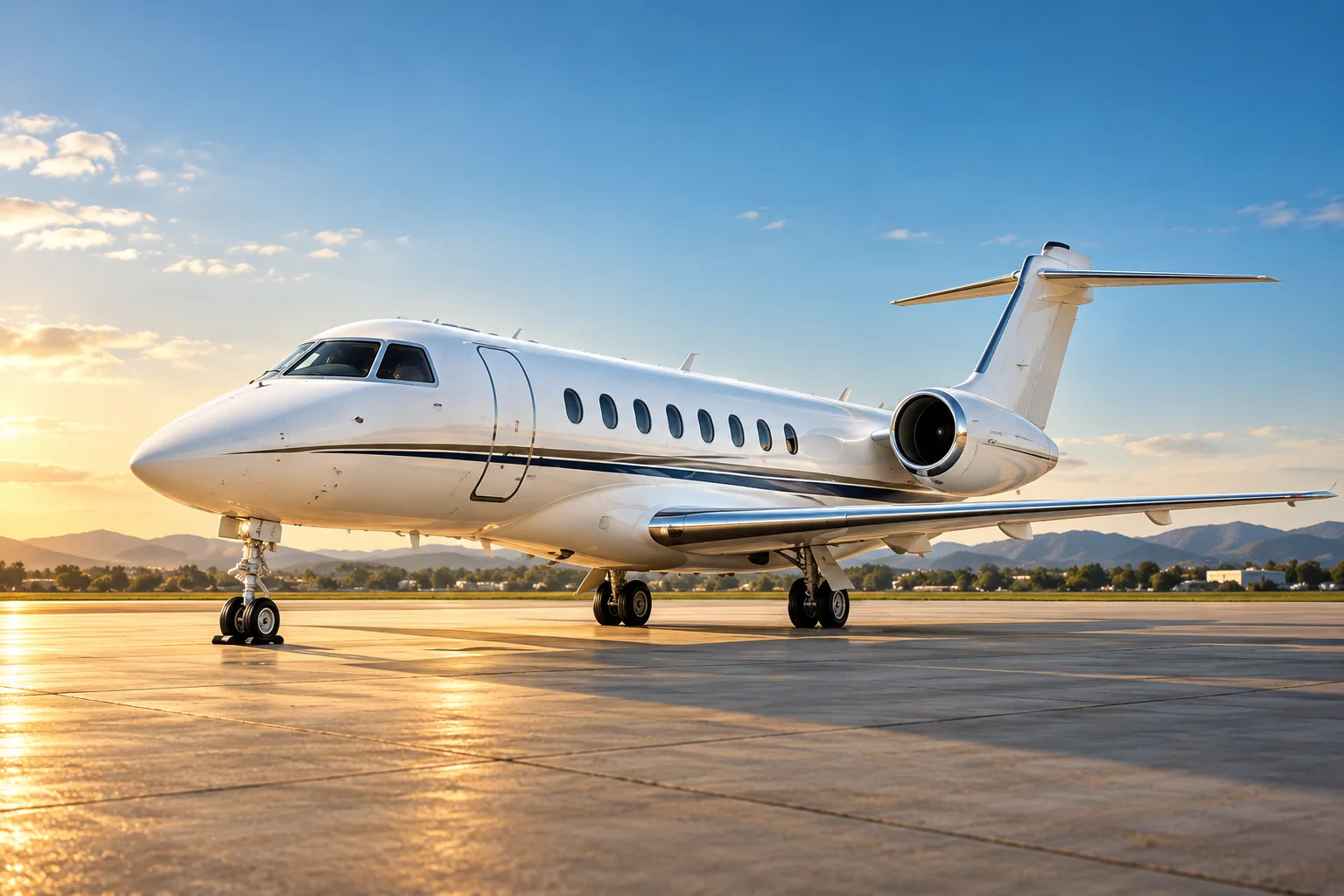
Bombardier Challenger 350

Up to 10 passengers · 3,200 nm published range · 488 kt cruise.

The default coast-to-coast answer — LA to New York, westbound against the winds, without a fuel stop. Ask for the exact seating plan and baggage allowance.
Cessna

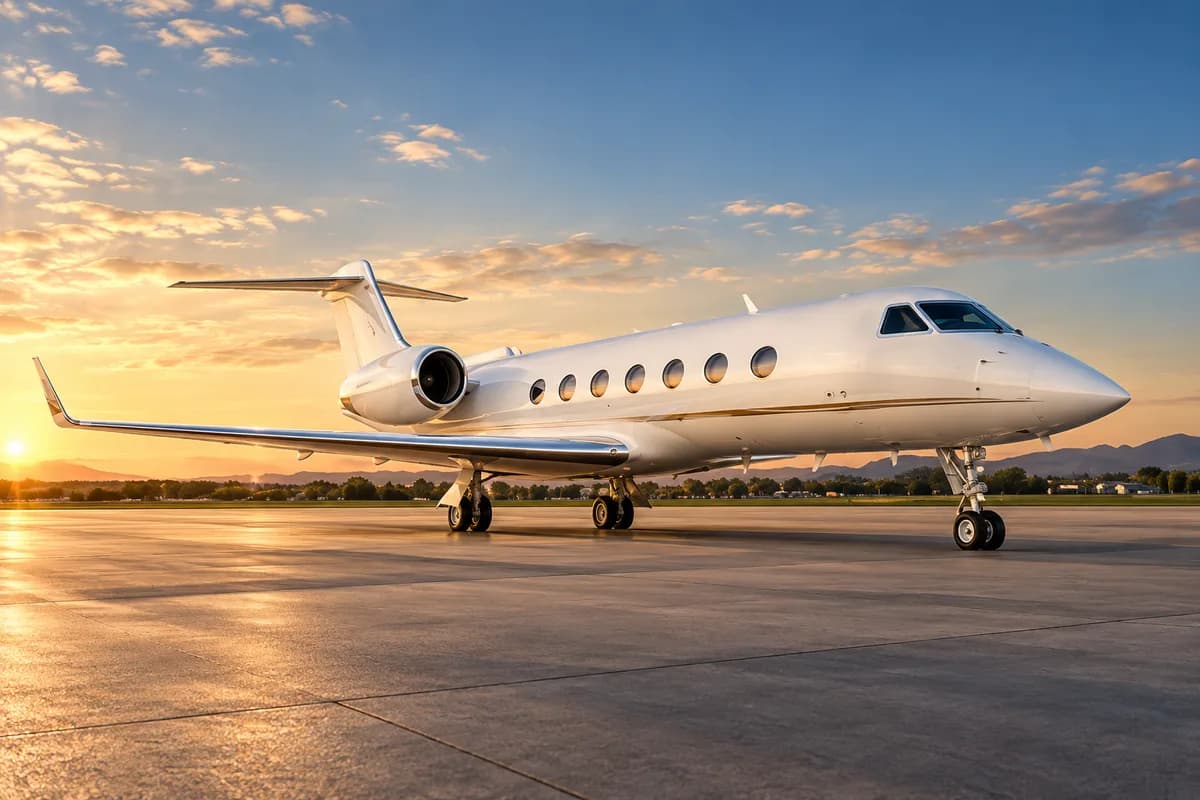
Cessna Citation Longitude

Up to 9 passengers · 3,500 nm published range · 483 kt cruise.

Long domestic legs where cabin noise level decides whether you land rested or ragged. Ask for the exact seating plan and baggage allowance.

Embraer

Embraer Praetor 600

Up to 8 passengers · 4,018 nm published range · 466 kt cruise.

Missions at the category's edge: long coast-to-coast flights and Atlantic crossings that would otherwise force a heavy-jet invoice. Ask for the exact seating plan and baggage allowance.

Model specifications are a starting point. Your quote should identify the actual aircraft and operator.

Look beyond the passenger count.

A typical super-midsize cabin runs 25 to 28 feet, six feet of stand-up height, and a flat floor — no center step. Double-club seating with eight to ten passengers, full hot-meal galley, enclosed lavatory, divan that converts to a berth. Wi-Fi standard, Ka-band on newer aircraft.

Seating & sleepConfirm takeoff seats and available sleeping positions.
BaggageCheck bag sizes, weight and compartment access.
Wi-Fi & serviceConfirm installed system, coverage, catering and attendant.
Cabin layoutReview current photos and the exact seating plan.

Will your route fly nonstop?

Tell us your airports, travel direction, passengers and bags. The operator must confirm the route for the specific aircraft.

Passenger & baggage load
Wind and routing
Fuel reserves
Runway and weather
Ask for both options: a super-midsize itinerary with any expected fuel stop, and a heavy-jet alternative when nonstop overseas travel is essential.

Compare the neighboring categories.

What does super-midsize charter cost?

Compare the complete itinerary — not the hourly figure alone.

  • Flight time & aircraft positioning
  • Crew, overnight & airport charges
  • Taxes, catering & requested extras
  • Change, cancellation & refund terms
Read the charter pricing guide →

Verify the details at the source.

Manufacturer information

Read the matching model’s cabin and performance assumptions.

FAA

Ask for the operating carrier’s certificate and aircraft charter authorization.

NBAA

Compare total pricing, additional charges and cancellation terms.

Independent information. Source links do not imply endorsement.

Good questions before you book.

On most models, yes: published cabin heights are close to six feet. Confirm the quoted aircraft’s dimensions.

Your route. Your priorities. The right aircraft.

Share your route, dates, passengers and baggage.