In this article
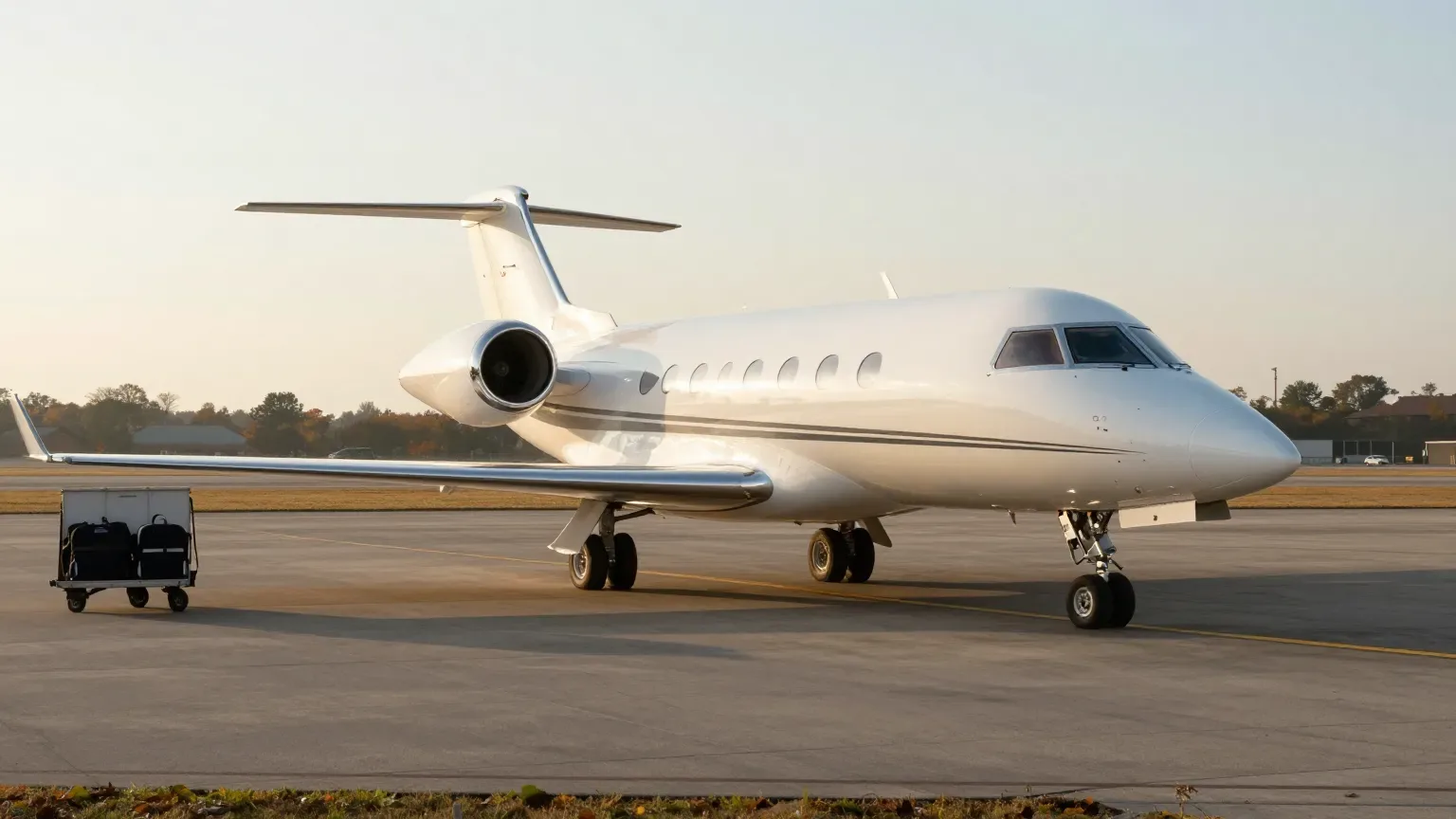
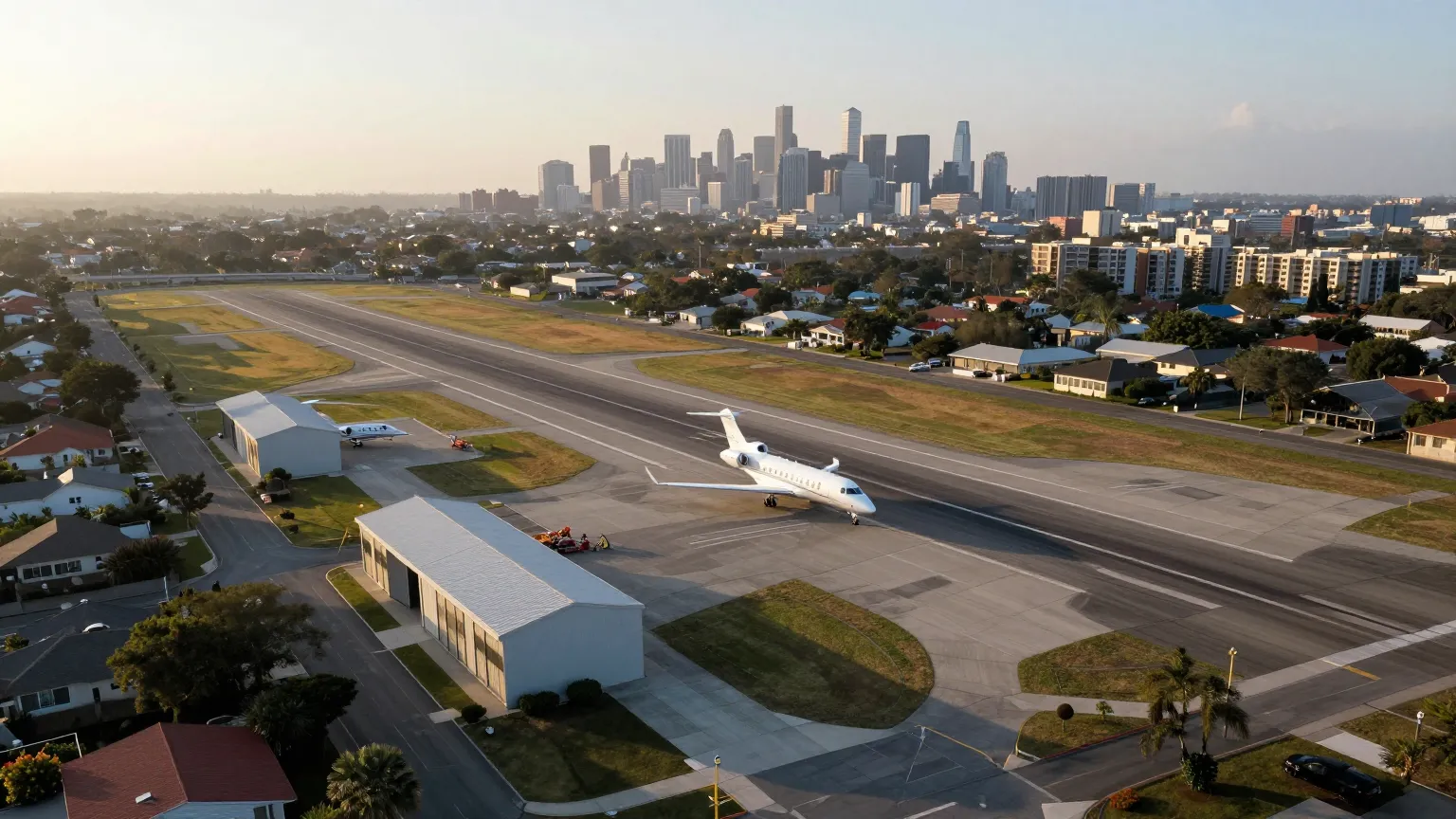
Tell someone you're flying private from Los Angeles and they picture LAX. But the aircraft is far more likely to leave from Van Nuys — a field most airline passengers have never set foot in, fifteen minutes from Beverly Hills, that exists almost entirely for flights like yours. New York works the same way: private traffic overwhelmingly uses Teterboro, not JFK.
This isn't a quirk. It's one of the structural advantages of chartering, and understanding it makes you a better buyer.
The reliever airport system
Around every major U.S. metro sits a ring of smaller airports the FAA formally designates as relievers — fields built to absorb general aviation traffic so the big hubs can run airline schedules. Van Nuys, Teterboro, Boston's Hanscom Field, Chicago Midway's corporate ramps, Dallas Love, Miami's Opa-Locka: this is where private aviation actually lives.
For you, the reliever wins on almost every axis:
- Time. No airline traffic means no waiting in a departure queue behind twenty regional jets. Taxi out, take off.
- Proximity. Relievers are often closer to where you're actually going. Teterboro to midtown Manhattan beats JFK to midtown on any weekday.
- Cost. Landing and handling fees at a reliever are typically a fraction of a major international's — line items that flow straight into your quote.
- Privacy. A quiet ramp, your car at the aircraft, no terminal to cross.
What an FBO is
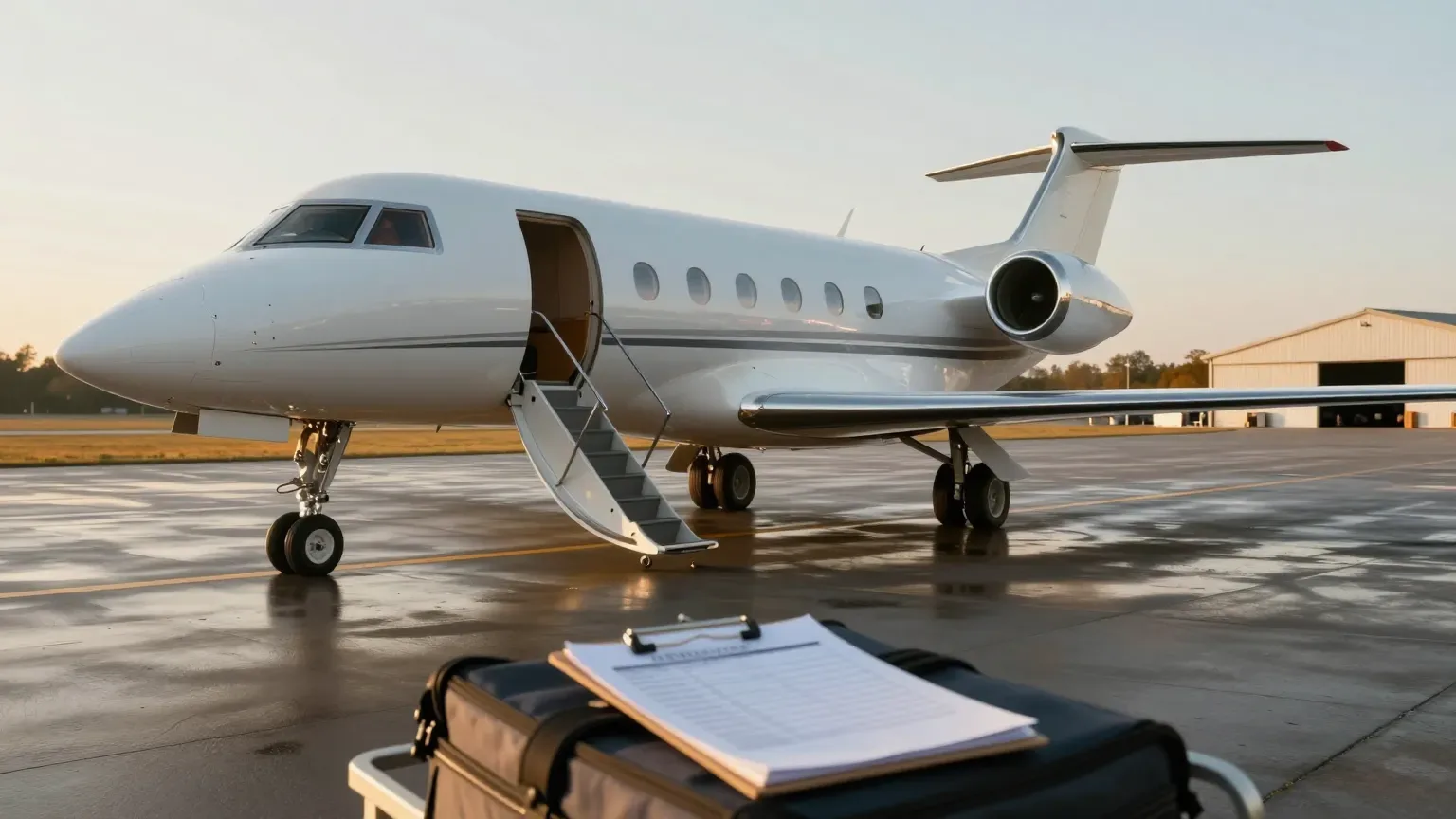
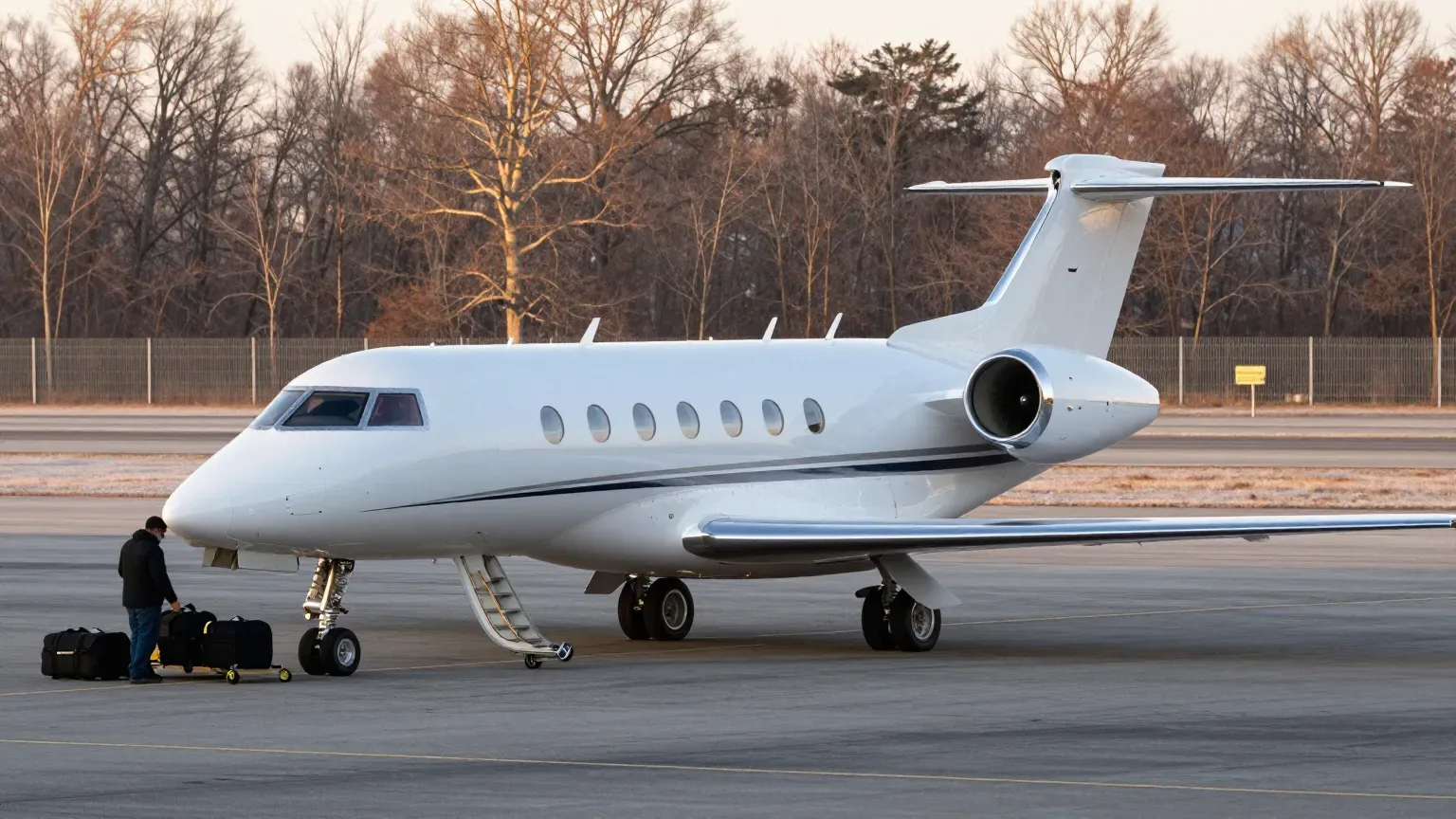
The building you use at a private airport is an FBO — a fixed-base operator, essentially a private terminal. Lounge, coffee, conference room if you need one, your luggage handled from trunk to baggage hold. The entire ground experience from arrival to wheels-up runs about fifteen minutes, and the FBO is why.
When the big airport is the right call
The desk doesn't dogmatically avoid major hubs. International arrivals need customs — that's why our Miami trips sometimes use MIA alongside Opa-Locka. Very long-range departures sometimes want the longest runway in the region. Weather minimums occasionally favor the field with the better instrument approaches. Choosing the airport is genuinely part of the job.
That's also the honest answer to why does my quote name an airport I've never heard of? — because someone chose it, for reasons, and you're allowed to ask what they were.
City by city
We keep a guide for each market we fly most — which airports serve it, which one fits which trip, and what the lane typically prices at by category. Start at the charter-by-city hub, or jump straight to a market like New York. And when you price a trip in the quote wizard, airport selection is already part of the number you see.
Questions this raises
Asked at the desk
A fixed-base operator: the private terminal at an airport. It handles your arrival, luggage, and ground transport, and is why the whole ground experience from car to wheels-up takes about fifteen minutes.
Yes, and sometimes it should, particularly for international arrivals that need customs or for very long-range departures. The desk chooses the airport per trip rather than defaulting to the biggest one.
Van Nuys is a designated reliever airport built for private traffic: no airline queues, lower fees, closer to the Westside, and a private terminal instead of a commercial one. Teterboro plays the same role for New York.
JetNine dispatch desk · Updated September 1, 2026 · airports · how it works