In this article
Light jet charter is where most people meet private aviation for the first time, and where a surprising number of them stay. It is the lowest hourly rate of any jet on our board, it gets six or seven people plus bags into airports the airlines gave up on decades ago, and for a trip under about three hours it is very often the honest answer rather than the cheap one. What follows is how the category behaves from the dispatch desk: what it does well, where it quietly stops working, and how to tell in about ninety seconds which side of that line your trip falls on.
What the category actually is
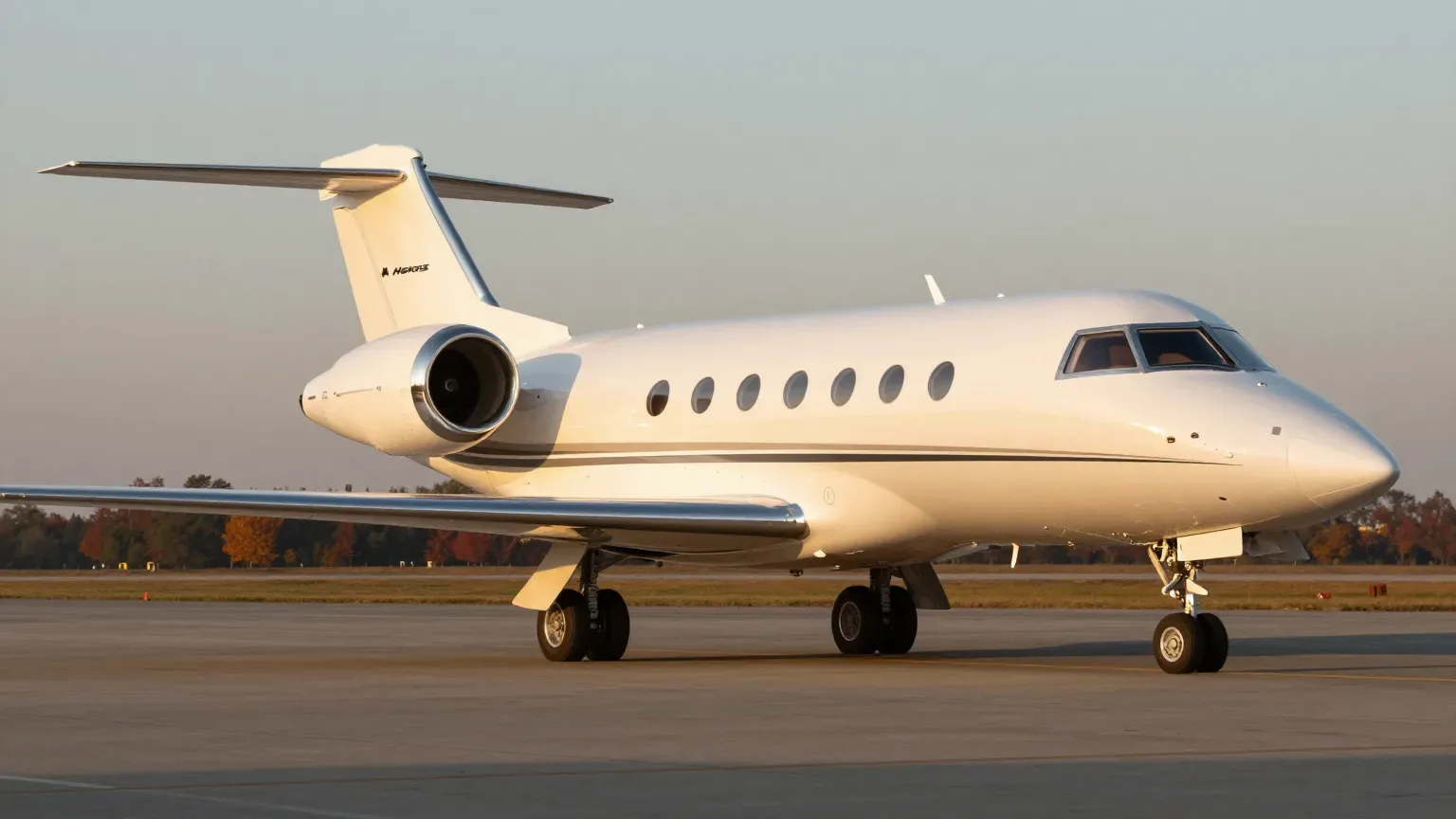
A light jet is a twin-engine airframe seating six to seven in charter configuration, cruising in the mid 400s of knots, topping out around 45,000 feet, with roughly 1,600 to 2,200 nautical miles of range once reserves are planned. The cabin runs 13 to 17 feet long and a little under five feet tall, which means you sit comfortably and you do not stand up. There is a refreshment galley, an enclosed lavatory on most airframes, and Wi-Fi on the newer ones.
The working examples on our board bracket the category nicely. The Embraer Phenom 300E has been the best selling light jet in the world for a decade, largely on the strength of an oversized baggage hold and airliner-grade avionics. The Citation CJ4 stretches the legs further for the same money. The Learjet 75 Liberty carries six and rides better than anything else in the class, which matters more than people expect on a bumpy October afternoon. We source per mission from vetted Part 135 operators, so the specific tail changes, but the envelope does not. The full category page lives at light jet charter with the numbers laid out.
The three hour rule, and what breaks it
The useful mental model is time, not distance. Legs up to roughly three hours are the light jet's home turf. Los Angeles to Seattle, New York to Miami, Chicago to Denver, Dallas to Scottsdale: all comfortable, all nonstop, all at the lowest jet hourly available.
Past that, two things start eating you. The first is the range number, which is a brochure figure computed under conditions you will not have. Load the cabin, add winter westbound headwinds, and the real reach lands meaningfully short. We have a full answer to how far a light jet can fly if you want the arithmetic. The second is the cabin. Two and a half hours in a light jet is fine. Five hours in a light jet, with four adults who cannot stand up and one lavatory, is a different product, and no hourly rate makes it a good one.
This is the single most common correction we make on inbound quotes. Someone prices a light jet coast to coast, sees the hourly, and likes it. Then they find out it is a fuel stop and a five and a half hour day. A midsize nonstop frequently costs less all in once you count the extra block time and the stop, and it arrives earlier. When that is true we say so, because it is easier than explaining it on the ramp in Wichita.
Small airports are the real argument
Range gets the attention. Runway access is what actually makes the category worth chartering.
A light jet works out of roughly 5,000 feet of pavement, which opens a tier of airports that airline equipment simply cannot use: Aspen, Sun Valley, Catalina, Friday Harbor, and several hundred less glamorous fields that happen to be twenty minutes from where you are going rather than ninety. That is where the time savings actually come from. The jet is fast, but the drive you did not make is faster.
It also matters in the other direction. Because light jets are numerous and widely based, there are usually several within short repositioning distance of wherever you are. That keeps positioning legs short, keeps the quote down, and makes same-day and next-morning departures realistic rather than theoretical. Lead time is the cheapest lever you have on price, but the light category is the most forgiving of a short one.
What it costs, and what it does not
We do not publish hourly rates in blog posts, because they move with fuel, season, and the specific tail, and a stale number in an article is worse than no number. What we will tell you is the shape of the bill.
You are chartering the whole aircraft, not a seat, so the price is block time times an all-in hourly, plus the 7.5 percent federal excise tax that applies to domestic passenger charter, plus any landing, handling, or overnight fees the route generates. Two passengers and six passengers cost the same. Positioning the aircraft to you is part of the number, which is why a light jet based nearby beats an identical one three states away. For live figures on your actual route, the cost calculator prices as you type, and what affects charter price walks through each line item in order.
The thing a light jet does not do is save money on a mission it was not built for. A category that is too small forces a fuel stop, a fuel stop adds block hours, and block hours are the meter. Cheap per hour and cheap per trip are different quantities.
When we send you up or down a category
Three signals move a quote off the light jet, and dispatch will raise all three unprompted.
More than about three hours in the air. Step up to midsize, which buys roughly 700 nautical miles more range, two more seats, and a cabin you can stand in. On transcontinental work this is usually the cheaper answer, not the more expensive one.
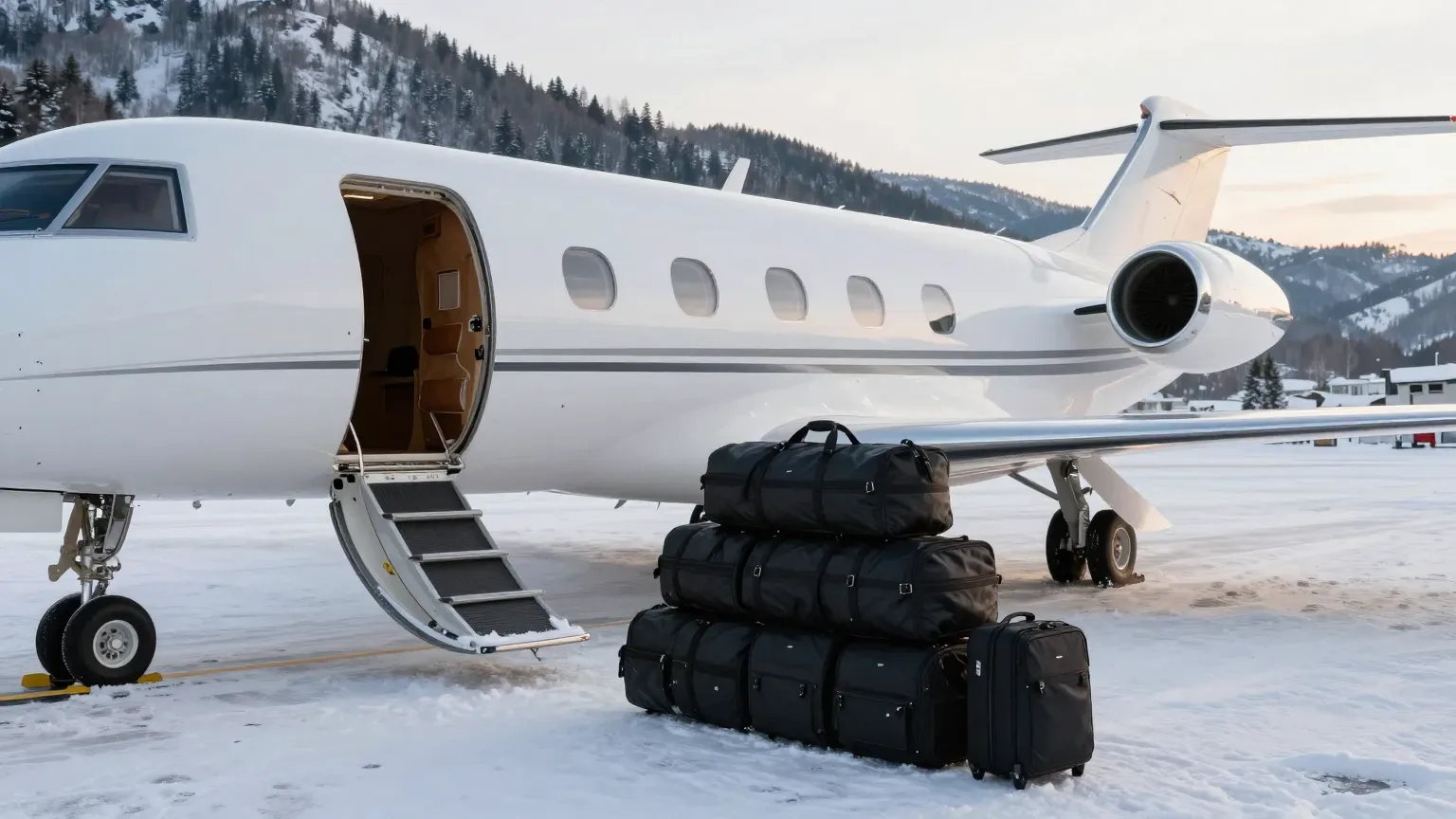
More than seven people, or seven people with real luggage. Seats and baggage volume run out at the same time on a light jet, and ski or golf season is when that bites. Skis, clubs, and strollers are volume problems more than weight problems.
A runway or a field elevation the light jet does not like. Short, unpaved, high, hot, or all four. That is a step down to turboprop, which trades jet speed for genuine rural access and a lower hourly. On a 250 mile leg into a small mountain field, the turboprop often lands first anyway.
Booking one in shoulder season
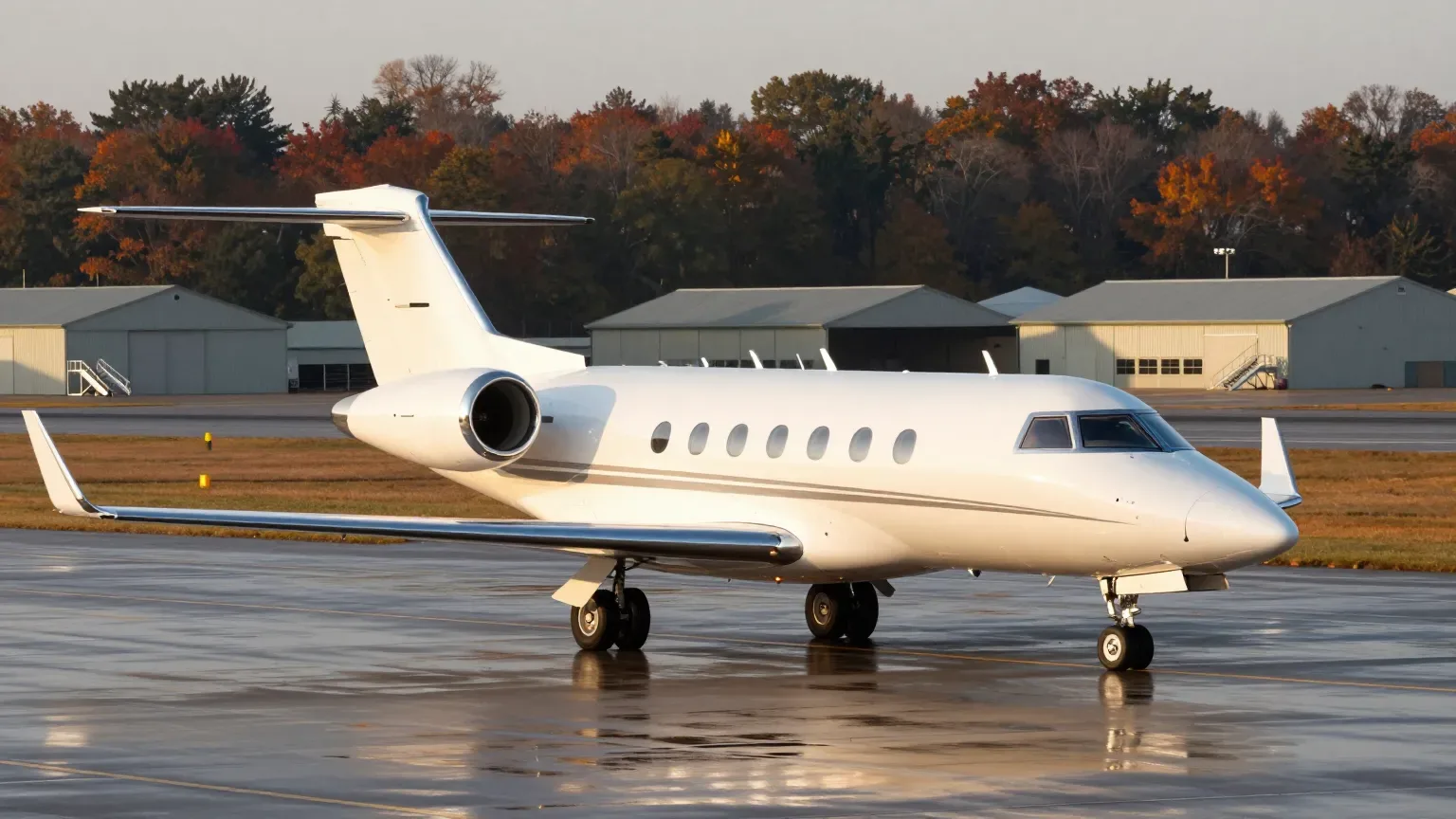
Mid September through early November is the friendliest stretch of the year to fly a light jet. Summer leisure demand has drained out of the system, ski season has not arrived, and the fleet is repositioning between the two, which means more available tails and shorter positioning legs than you will see in either December or July. Foliage weekends in New England and the Mountain West are the exception and they book early, so if that is the trip, treat it like a holiday weekend.
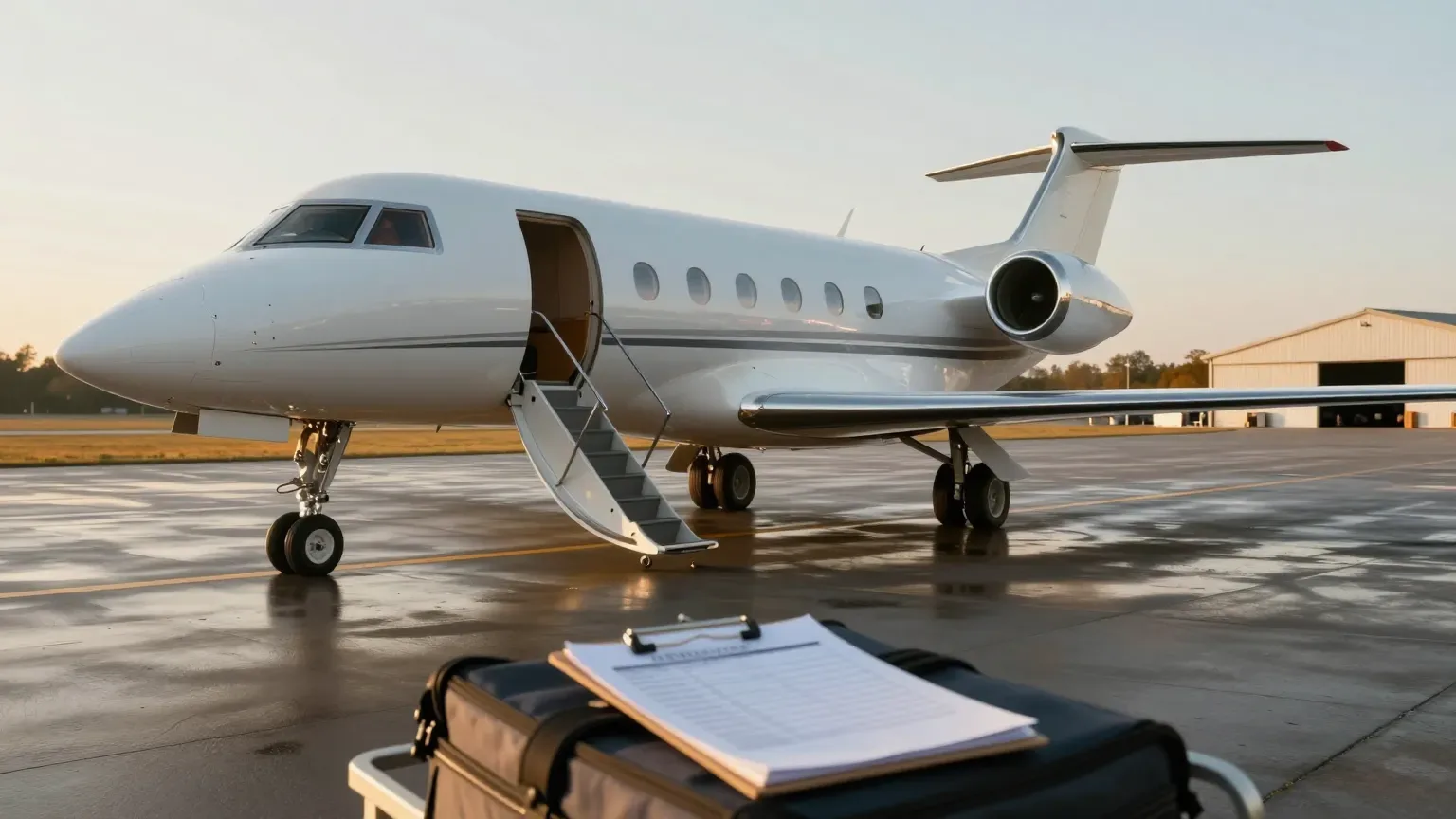
The practical move is the same one we give first-time callers: send us the route, the date, and the passenger count before you decide on a category. We will surface three to five airframes, and if a light jet is wrong for the mission, we will tell you that before you have paid for anything. That conversation takes four minutes and saves the ones that would otherwise happen at 6 a.m. on a ramp.
Questions this raises
Asked at the desk
A light jet charter is the whole-aircraft rental of a twin-engine jet seating six to seven passengers, cruising in the mid 400s of knots with roughly 1,600 to 2,200 nautical miles of range. It is the lowest hourly jet category and the usual choice for legs under about three hours.
Six to seven in typical charter configuration, in a four-seat club plus side-facing or aft seats. Baggage volume tends to run out at about the same time the seats do, so seven passengers with ski or golf equipment is usually a midsize conversation.
Not nonstop with a full cabin. Most light jets need a fuel stop on a true transcontinental leg, which adds block time and often makes a midsize nonstop cheaper all in as well as faster.
Light jets operate comfortably from roughly 5,000 feet of runway, which opens several thousand US airports the airlines do not serve, including Aspen, Sun Valley, Catalina and Friday Harbor. Field elevation, temperature and surface still matter, so dispatch confirms performance per airport.
You pay block time times an all-in hourly rate, plus the 7.5 percent federal excise tax on domestic passenger charter and any landing, handling or overnight fees. Rates move with fuel, season and the specific tail, so price your actual route on the cost calculator rather than working from a published figure.
JetNine dispatch desk · Updated September 13, 2026 · aircraft · light jets · how it works