In this article
Midsize jet charter is the category most missions land on, and it lands there for unglamorous reasons: you can stand up in the cabin, there is a real lavatory behind a door, and the airplane will cross the country without asking you to stop for fuel on a good day. From the dispatch desk in late September, it is the category we quote more than any other, because the fall calendar is full of exactly the trips it was built for.
Here is what the midsize class actually does, where it stops being the right answer, and how to tell which side of that line your trip falls on.
The category in plain numbers
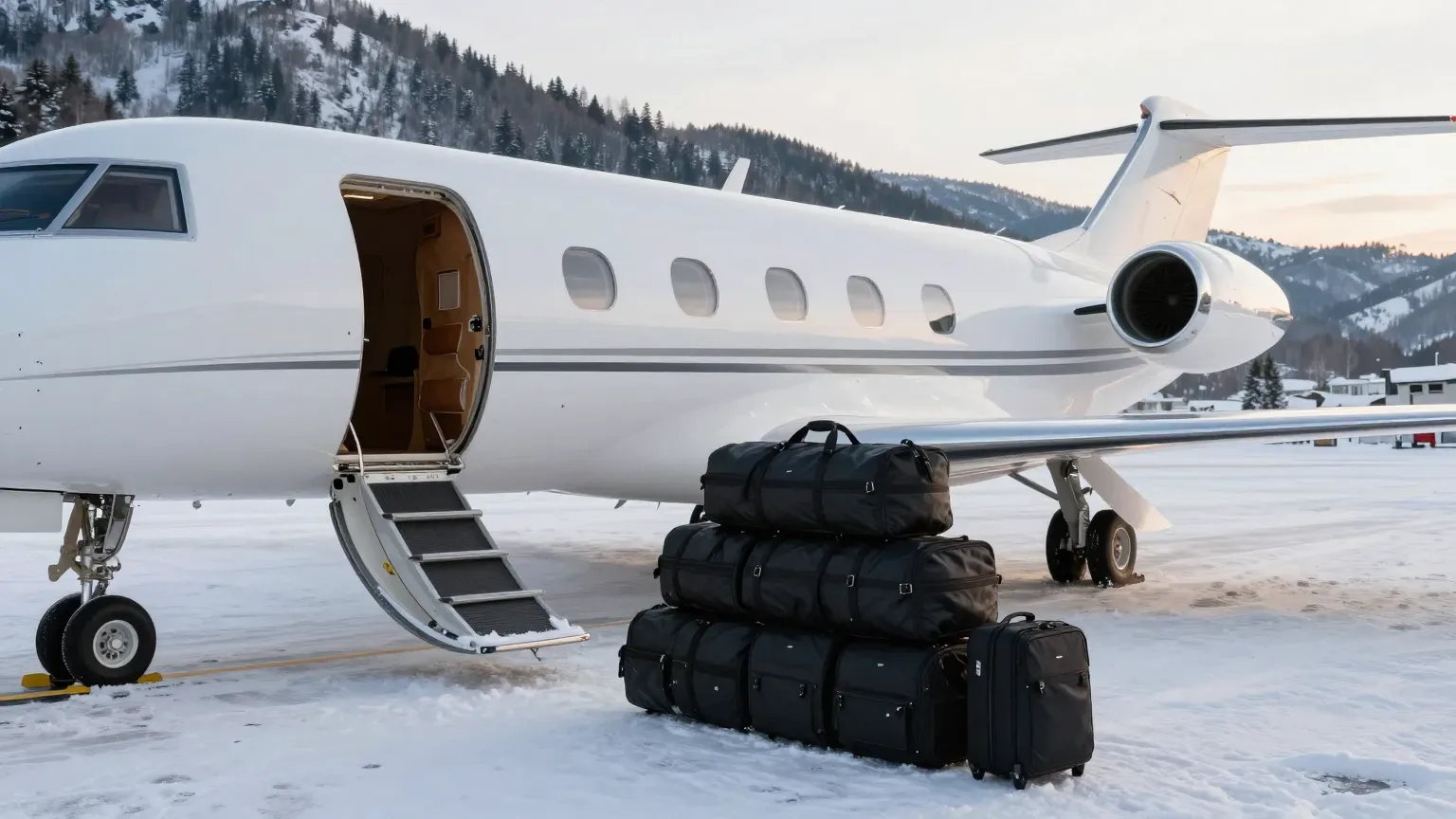
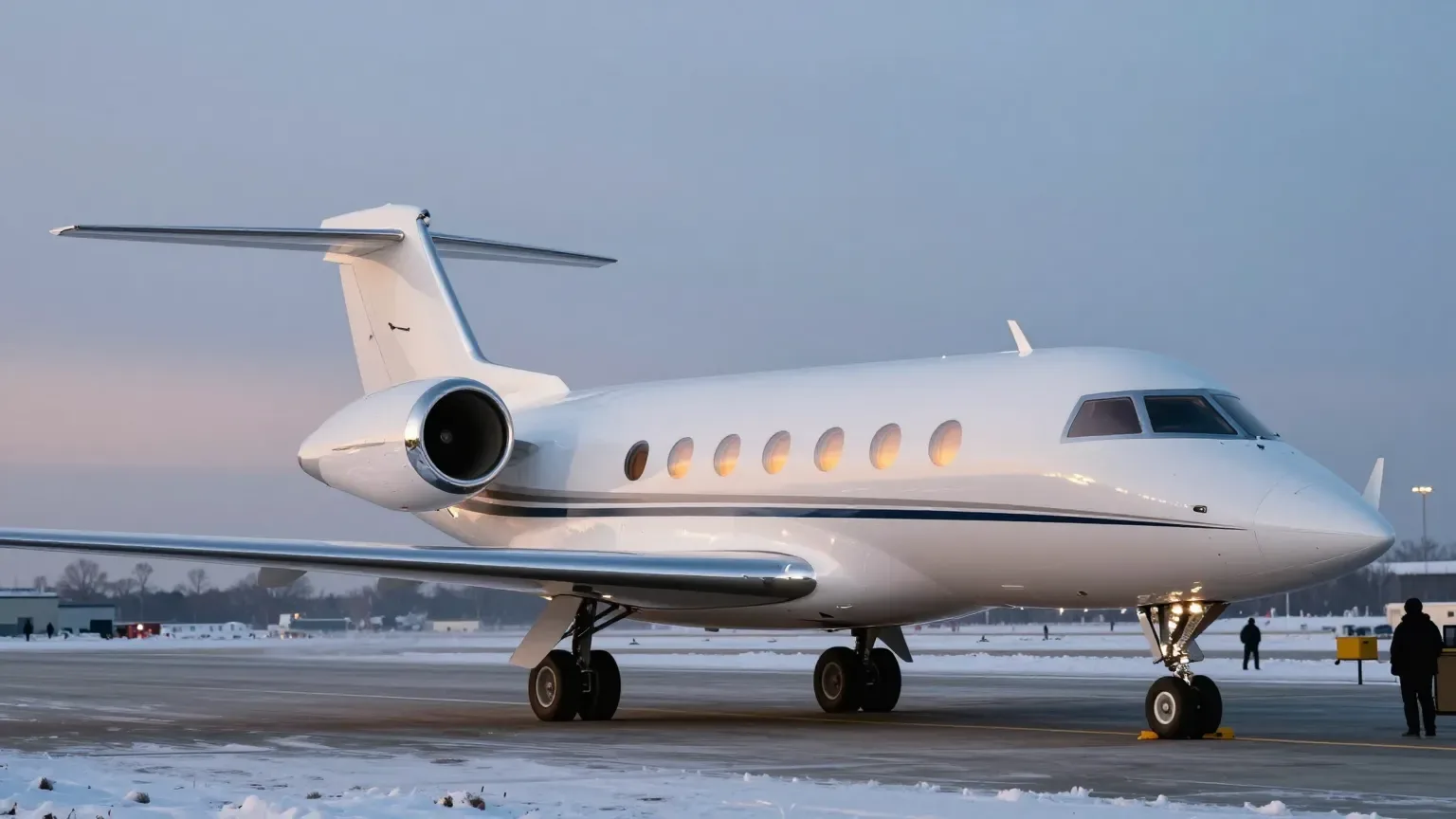
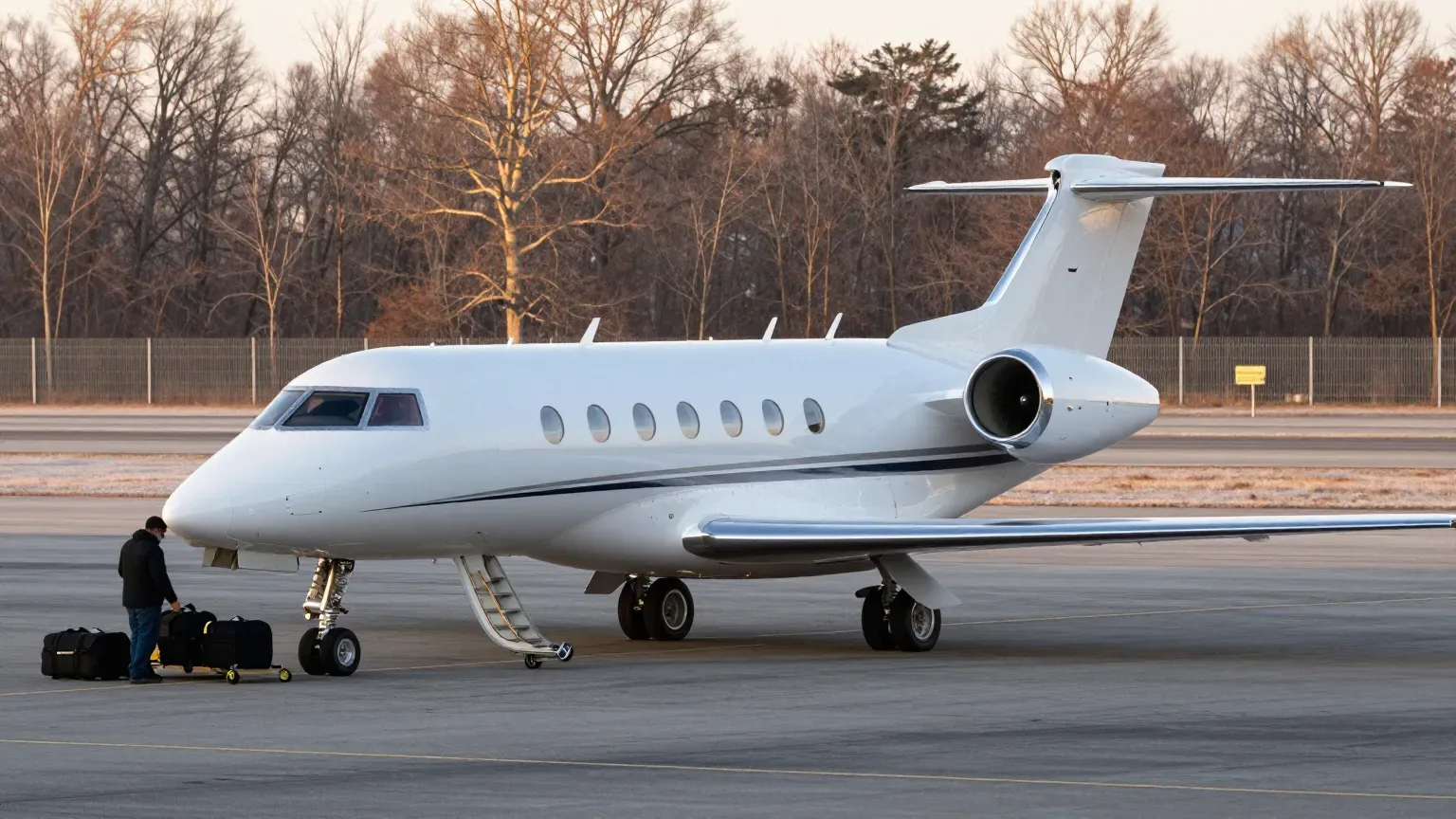
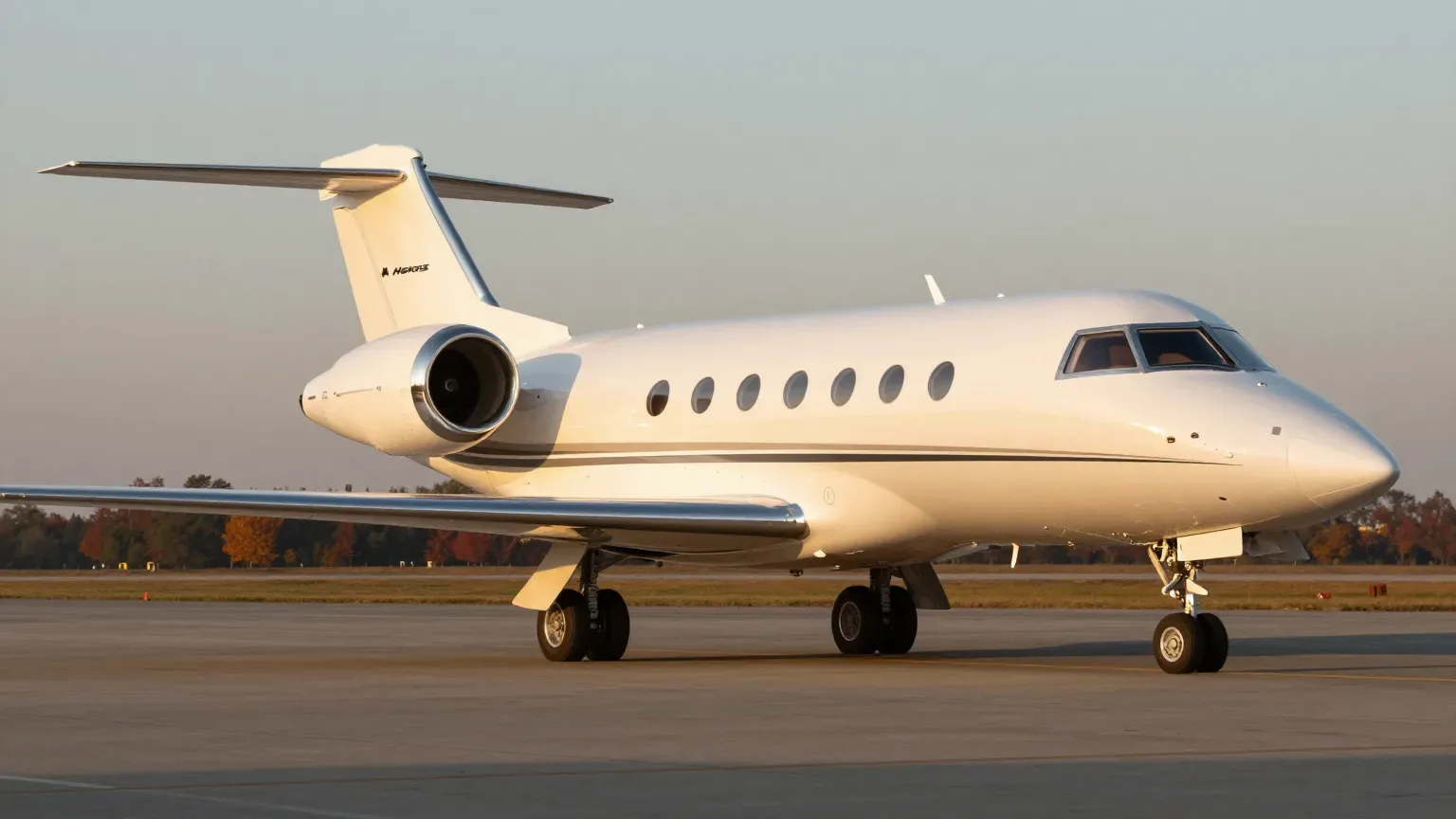
A midsize jet typically seats eight to nine, cruises around 430 knots, carries about 2,400 NM of range with reserves, and runs roughly five hours on a single sector before crew duty and fuel start having opinions. Cabins run 18 to 22 feet long with about six feet of stand-up height, a four-seat club plus a divan, a full galley with hot and cold service, and an enclosed lav. Baggage sits near 90 cubic feet across internal and external compartments on the larger airframes.
Those numbers are the whole argument. A light jet gets you there quickly and cheaply, but you board bent at the waist and the bag count is the first thing we have to negotiate. A heavy jet solves everything and charges you for solving things you did not need solved. Midsize is the shape of aircraft that matches how most people actually travel: six to eight aboard, three to five hours in the air, real luggage, a laptop open for part of it.
Why the fall calendar pushes trips into this class
Late September is when the mission mix shifts. Summer is families and beach houses, which is short-leg, high-bag, often turboprop or light. Fall is board meetings, site visits, alumni weekends, football, and the first serious round of holiday planning. Those trips are longer, carry more people, and tend to run back to back over several days.
That last part matters more than passengers expect. A midsize cabin is built for repeat sectors: crew can rest within the day, the galley holds real catering, and nobody has to plan their hydration around a lav they would rather not use. A week of four legs in a light jet is survivable. A week of four legs in a midsize is pleasant, and the delta in the quote is smaller than the delta in how everyone feels on Friday.
Shoulder season also does something useful to availability. Between the summer peak and the ski rush, midsize tails sit in more places than they do in December, which means fewer repositioning hours baked into your number. If you are already thinking about Thanksgiving or the first ski weekends, this is the stretch where asking early still buys you something.
Three airframes, three different arguments
The category is not one airplane. The three we quote most in it make genuinely different cases.
The Citation XLS+ is the availability play. It is the most chartered business jet in the world, which in practice means that when your date is soon and your mission is midsize, the XLS+ is usually the tail that says yes. Nine seats, about 2,100 NM, 441 knots, roughly 80 cubic feet of bags. It is not the fastest or the longest legged thing in the class. It is the one that is already where you are.
The Hawker 900XP is the cabin play. Six feet of cabin width, a genuinely flat floor, 21 feet of length, and close to 2,930 NM of range. It flies like a small heavy jet. The tradeoff shows up in the baggage hold, which is around 50 cubic feet, so a ski group or a golf foursome should have that conversation with dispatch before signing, not at the ramp.
The Learjet 60XR is the stopwatch play. It climbs to 41,000 feet in under twenty minutes, tops out at a 51,000-foot ceiling, and cruises at 464 knots, which lets it get over weather that has everyone else deviating. Seven seats and a slightly tighter cabin are the price. On time-critical hops with a small group, it frequently beats newer metal on both clock and cost.
We do not have a favorite. We have a mission, and one of those three usually fits it better than the other two.
Where the category quietly fails
Three failure modes, all of them predictable, all of them cheaper to catch now than at the FBO.
Transcontinental westbound. East to west you are flying into the wind, and a route like Los Angeles to New York that a midsize does nonstop eastbound can become a fuel stop coming back. That stop is not a disaster, but it is forty-five minutes nobody planned for, and it belongs in the itinerary before you tell eight people what time you land.
Full cabin plus full bags. Nine seats and maximum range are rarely available at the same time. Every pound of payload comes out of fuel. When a quote comes back with a tech stop on a route you expected nonstop, this is almost always why, and the honest fix is either fewer bags or a super-midsize with 1,100 NM more range and a flat floor.
Short, hot, and high. Runway performance in the class is good, not heroic. Mountain airports in warm weather, which is precisely the profile of a fall trip into the Rockies before the temperatures drop, can push a midsize off a field a turboprop shrugs at. Dispatch runs those numbers per tail and per day rather than per category, because the answer changes with the thermometer.
Pricing it without guessing
Charter pricing in this category moves with fuel, positioning, crew duty, and how close the tail already is to your departure airport, which is why a published hourly number is worth less than the quote it turns into. The cost calculator prices a real route with the category preselected and shows you the all-in figure rather than an hourly rate you then have to do arithmetic on. Federal excise tax of 7.5 percent applies to domestic charter and belongs in whatever number you are comparing against, so make sure any two quotes you are weighing are both stated the same way.
The other thing worth knowing: every operator we quote has cleared vetting before a tail is ever offered, roughly 380 of about 5,000 US operators, with an ARG/US Gold floor and two in-type ATP pilots on every flight. That is not a pricing input you can see, but it is the reason two quotes for the same airframe on the same day are sometimes not the same product.
What we ask before we put you in one
Four questions, in this order. How many people, and how many bags do they actually have, not how many they think they have. What is the longest single leg. Are you coming home the same day or living out of the airplane for a week. And is there a hard time on the far end that would make a fuel stop a problem.
Answer those four and the category picks itself most of the time. If it comes back midsize, you have found the part of the market with the most tails, the most operators, and the most room to get you a good number. If it comes back one class up or down, we will tell you that too, because putting you in the wrong airplane once costs more than the difference on a single quote.
Questions this raises
Asked at the desk
A midsize jet typically seats eight to nine passengers, cruises near 430 knots, and carries around 2,400 NM of range with reserves. The defining features are a stand-up cabin of roughly six feet, an enclosed lavatory, and a full galley.
Eastbound, usually yes, with a typical load. Westbound into the winds, a fuel stop is common once the cabin and bags are full, so dispatch confirms it per tail, date and load rather than per category.
Baggage runs from about 50 to 90 cubic feet depending on the airframe, split between internal and external compartments. Ski bags, golf clubs and oversized cases should be counted for dispatch before booking, because they affect both fit and fuel.
On legs under about two hours with four or fewer passengers, a light jet usually does the job for less. Past that, the stand-up cabin, lavatory and extra baggage capacity of a midsize tend to be worth the difference, especially on multi-day trips.
It depends on route, date, positioning and crew duty, so the honest answer comes from a quote rather than a published hourly figure. The cost calculator prices a specific route all-in with the category preselected.
JetNine dispatch desk · Updated September 21, 2026 · aircraft · midsize · how it works · seasonal