In this article
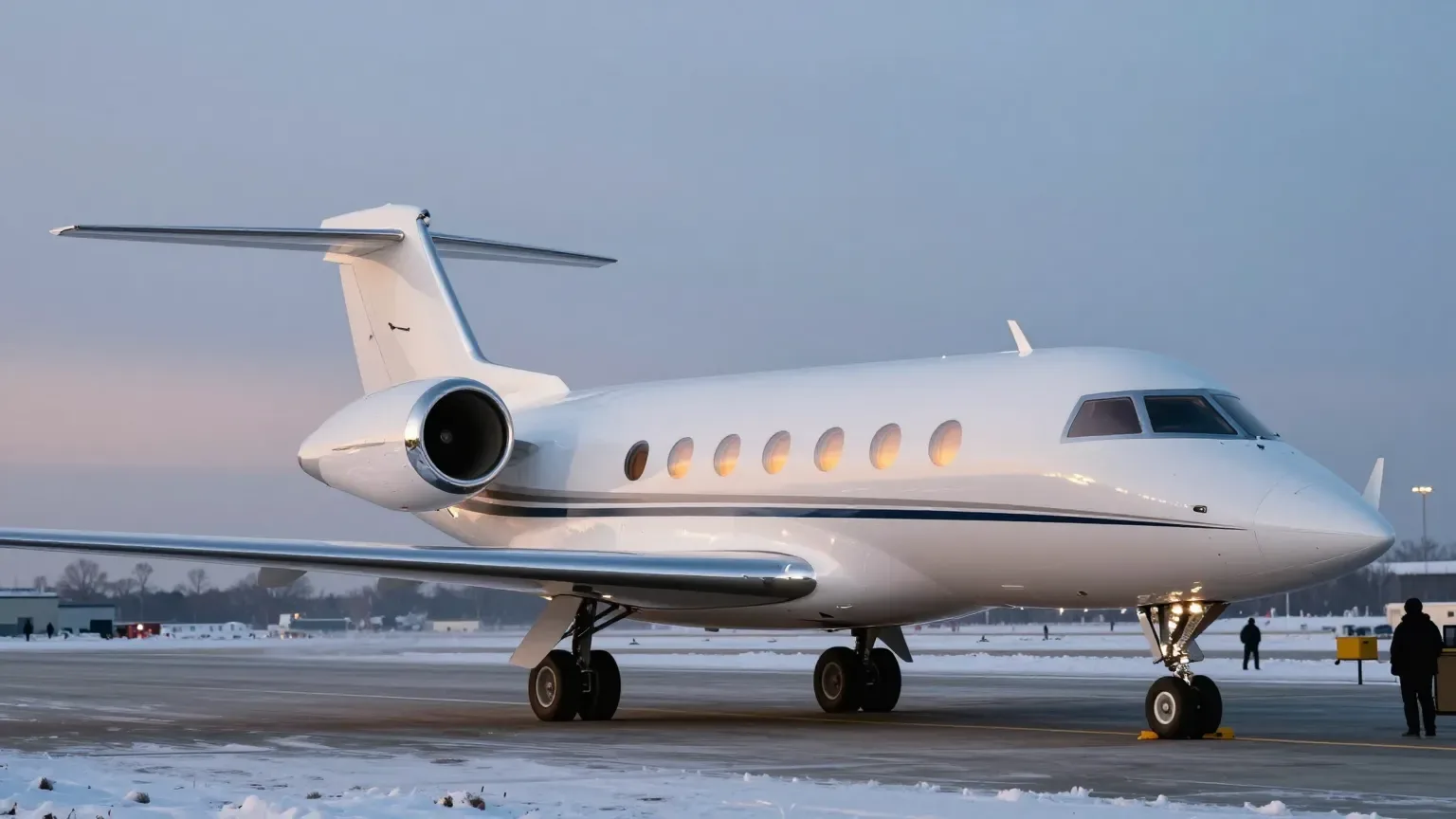
Phenom 300E charter requests start stacking up on the dispatch board in late October, and they almost always look the same: four to six people, a mountain airport, a Thursday out and a Sunday back, and a note at the bottom that says "we have skis." The Embraer Phenom 300E has been the best selling light jet in the world for most of a decade, which means there are a lot of them on charter certificates, which in turn means it is the aircraft most likely to be available when you call about the first real snow weekend. That availability is the headline. The rest of this is what the airframe actually does, and where it quietly stops doing it.
Why this tail owns the short-haul winter board
A light jet is the lowest hourly rung on the board that is still a jet, and the Phenom 300E sits at the top of that rung. For the mission most winter callers describe, roughly two hours of flying with a small group, it is hard to beat on cost per useful seat. You get seven seats in the typical charter layout, 464 knots of cruise, and a ceiling of 45,000 feet, which matters more in winter than people expect, because getting above the weather is how a two hour leg stays a two hour leg.
The other reason it owns the board is boring and important: fleet depth. Operators bought these in volume. When a storm shifts a schedule and we are rebuilding somebody's Friday at nine at night, the odds of finding a replacement Phenom 300E on a nearby ramp are better than the odds of replacing almost anything else in the category. Redundancy is not a spec sheet line, but it is the thing that saves trips. The full picture of what the category does, and where it runs thin, is on our light jet page.
What the cabin and the numbers actually buy
The published cabin runs 17 feet 2 inches long, 5 feet 1 inch wide, and 4 feet 11 inches tall. That last number is the one to sit with. Nobody stands up in a Phenom 300E. For a flight of two hours or so with people who know each other, this is a non issue and nobody mentions it afterward. For a four hour leg with clients you are trying to impress, it becomes the only thing anyone mentions afterward. We will say so on the phone.
Range is about 2,010 nautical miles with reserves, which on paper covers a lot of North America. Real world is smaller, and in winter it is smaller again. Headwinds on westbound legs, a full cabin, and the fuel you are legally required to still have in the tanks when you arrive all come out of that number before you do. The short version for the season: if your route is near the edge of the book figure and the month is January, plan on a fuel stop or plan on a bigger aircraft.
Specifications, typical layouts and the routes we price most often live on the Phenom 300E charter page. Figures there are published layouts; the exact tail that flies you is confirmed with the quote, because configurations vary and so does the equipment on board.
Ski gear is a volume problem, not a weight problem
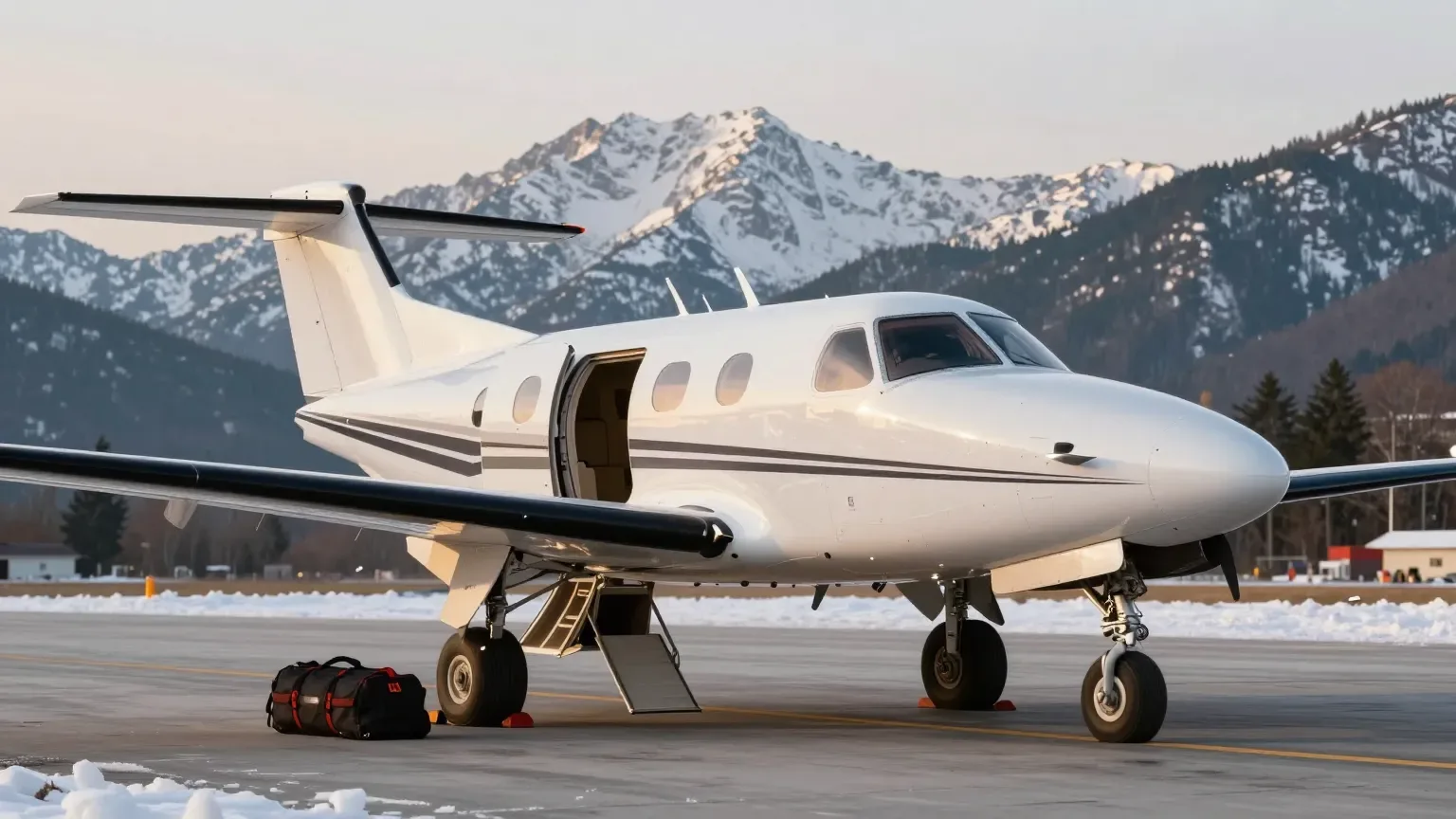
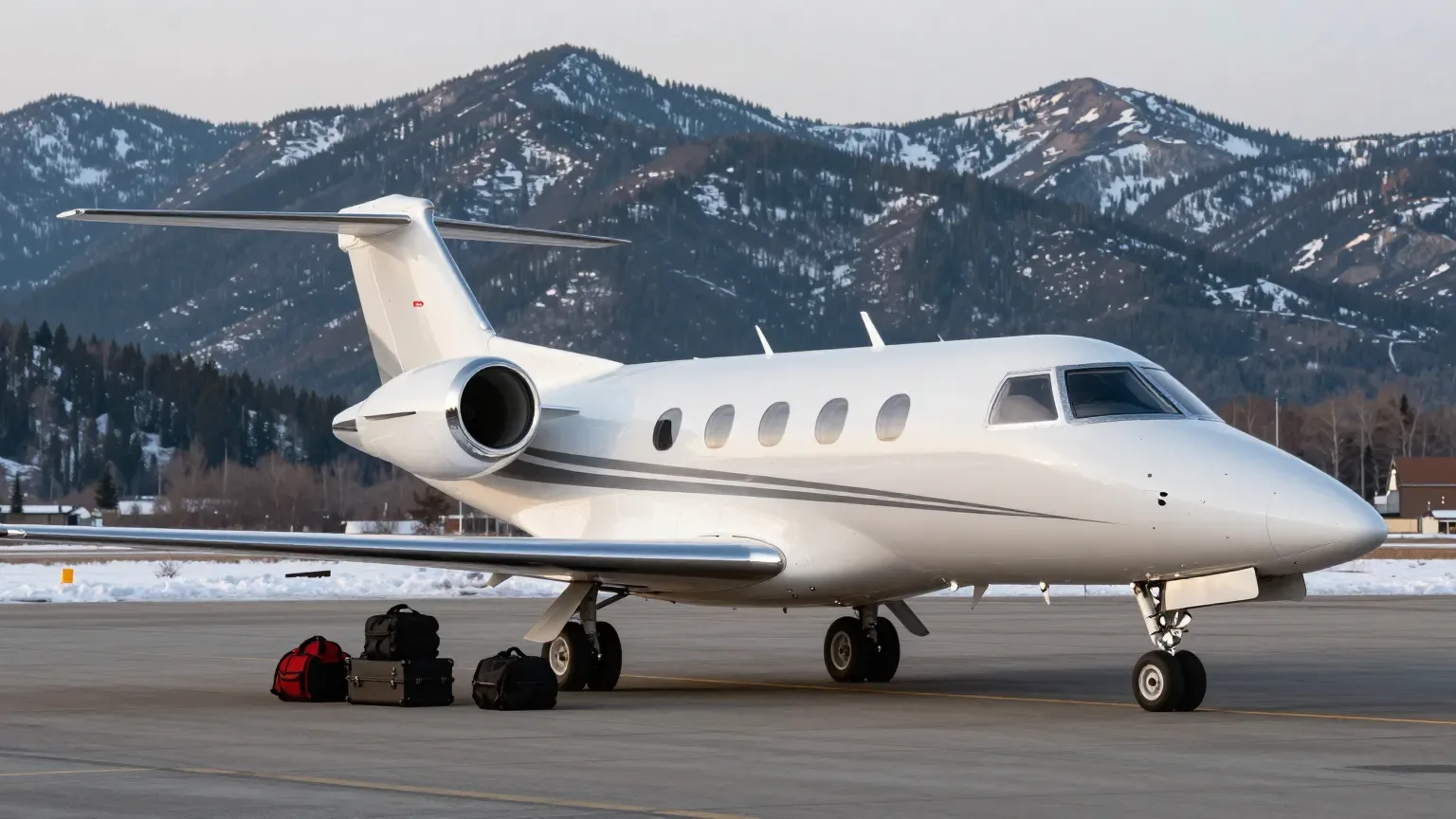
Here is the part the spec sheets bury. The Phenom 300E carries roughly 74 cubic feet of baggage, which is genuinely large for the category and is the single most common reason callers land on it for winter trips. Skis and snowboards are light. A pair of skis weighs almost nothing against the aircraft's fuel load. What they are is long and rigid, and rigid is what a baggage hold cares about.
So the question we ask is never "how much does it weigh." It is "how many hard cases, how long are they, and is any of it a board bag with bindings still mounted." Six people who each bring skis, boots, a boot bag and a roller are a different loading problem than six people with four roller bags between them, even if the two groups weigh the same. Ski bags also tend to arrive in pairs, because people bring powder skis and the other skis, and the second pair is the one nobody mentioned when we built the quote.
Tell dispatch the case count and the longest dimension at quote time, not at the FBO. We have written up the general rules in our baggage limits guide, and the seasonal version of the same advice applies double once the lifts open. If the gear does not fit, the fix is almost always a category step up rather than a second aircraft, and that is a conversation worth having on Tuesday rather than at the ramp on Friday.
Mountain airports and the honest limits
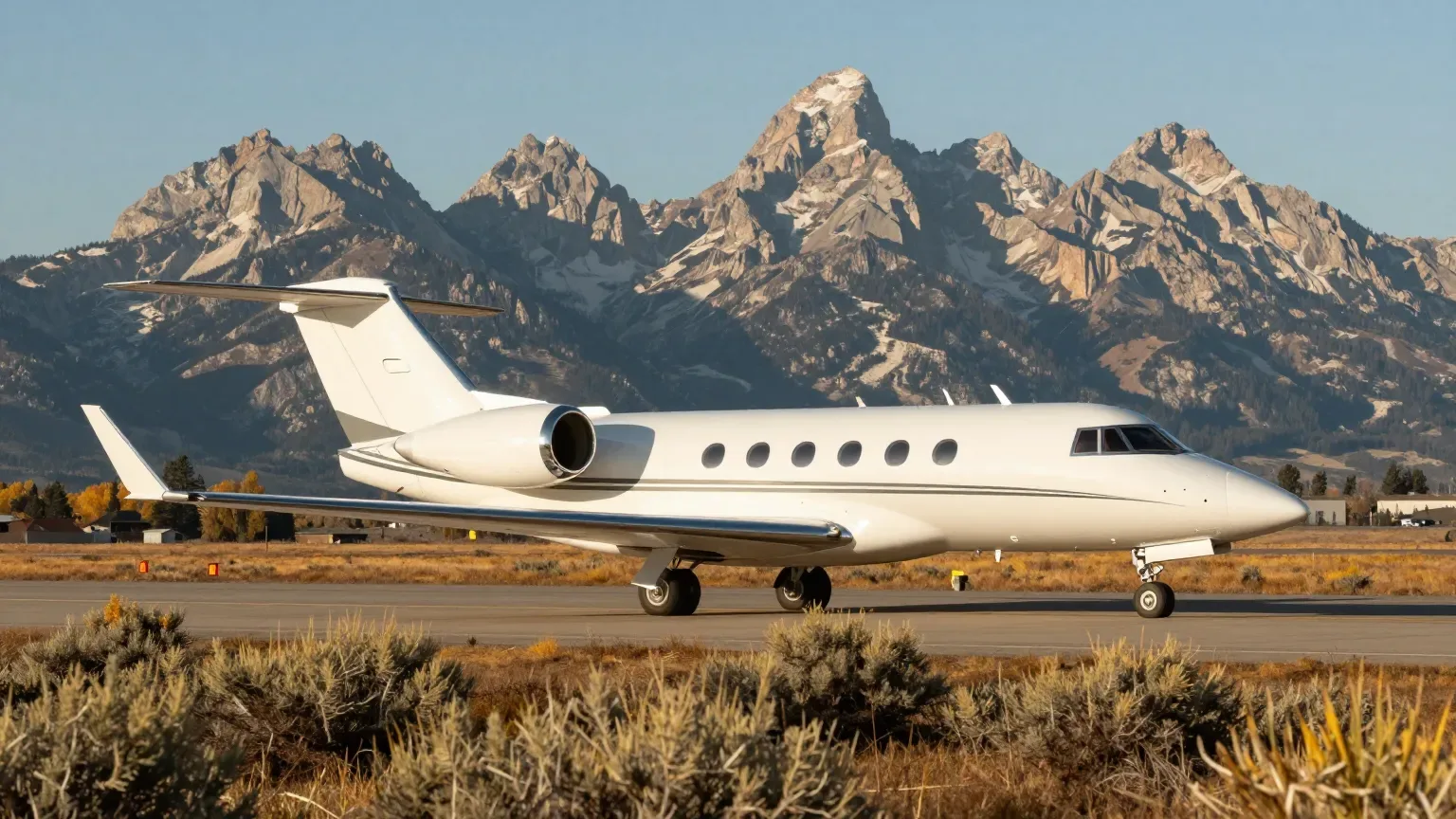
Mountain fields are a performance problem, not a prestige problem. Thin air at altitude means longer takeoff rolls, and a snow contaminated runway means longer again. Add a warm afternoon on top of the altitude and the numbers move further. The Phenom 300E handles the classic western ski runs well, which is why it shows up so often on legs like Los Angeles to Aspen, a trip of around 634 nautical miles that typically flies in under two hours.
What we watch is the combination, not any single factor. Full fuel, seven people, a hold packed with ski cases, a short contaminated runway and a density altitude that climbed all morning will eventually force a tradeoff. That tradeoff is usually fuel, which can mean a technical stop on the way home, or it is a passenger or two moving to a different leg. Neither is a disaster when you know about it on Wednesday. Both are a very bad Saturday when you find out at the airport.
Mountain airports also come with slot programs, curfews and parking limits that tighten through the holidays. Those constraints belong to the airport, not to the aircraft, but they land on the same trip.
When we point you somewhere else
We will talk you out of this aircraft in three situations. If the leg is genuinely transcontinental in winter, a midsize or larger buys the nonstop back, along with a stand up cabin and two more seats; the comparison is on our midsize page. If the group is eight or more, the seat count simply is not there and no amount of clever loading fixes it. And if the trip runs long enough that cabin height stops being an abstraction, usually past about three hours, the step up pays for itself in how everyone feels on arrival.
Short of those, this is the default for a small group and a winter weekend, and it is the aircraft we quote most often for exactly that.
Getting a number before the calendar closes
Pricing a light jet is a whole itinerary question rather than an hourly one. Flight time, positioning, crew and overnight charges, airport and handling fees, the 7.5% federal excise tax on domestic charter, catering, and the cancellation terms all sit in the same total, and the hourly figure on its own tells you very little. Run your actual dates and gear through the cost calculator and dispatch comes back with a real number rather than a range.
One scheduling note. Peak ski weekends and the holiday blocks fill from the operator side first, which means the Phenom 300E fleet depth we were praising earlier thins out exactly when everyone wants it. Late October is early. Mid December is not.
Questions this raises
Asked at the desk
The typical charter layout seats seven. Configurations vary by tail, so dispatch confirms the exact seating with your quote.
Yes. The baggage hold is roughly 74 cubic feet, which is large for a light jet and the main reason the type shows up on ski trips. Give dispatch the case count and the longest dimension at quote time, because gear is a volume problem rather than a weight problem.
About 2,010 nautical miles with reserves at 464 knots cruise. Winter headwinds, a full cabin and required fuel reserves all come out of that figure before you do, so routes near the book limit should be planned with a fuel stop in mind.
It flies the western ski fields routinely, including Los Angeles to Aspen in under two hours. Altitude, runway contamination and temperature affect takeoff performance, so a full cabin plus full fuel plus a short snowy runway can force a tradeoff that is worth identifying days ahead.
Price the whole itinerary rather than an hourly figure, since flight time, positioning, crew and overnight charges, airport fees, federal excise tax and catering all sit in the same total. Run your dates through the cost calculator and dispatch returns an exact number.
JetNine dispatch desk · Updated October 24, 2026 · aircraft · light jets · phenom 300e · seasonal