In this article
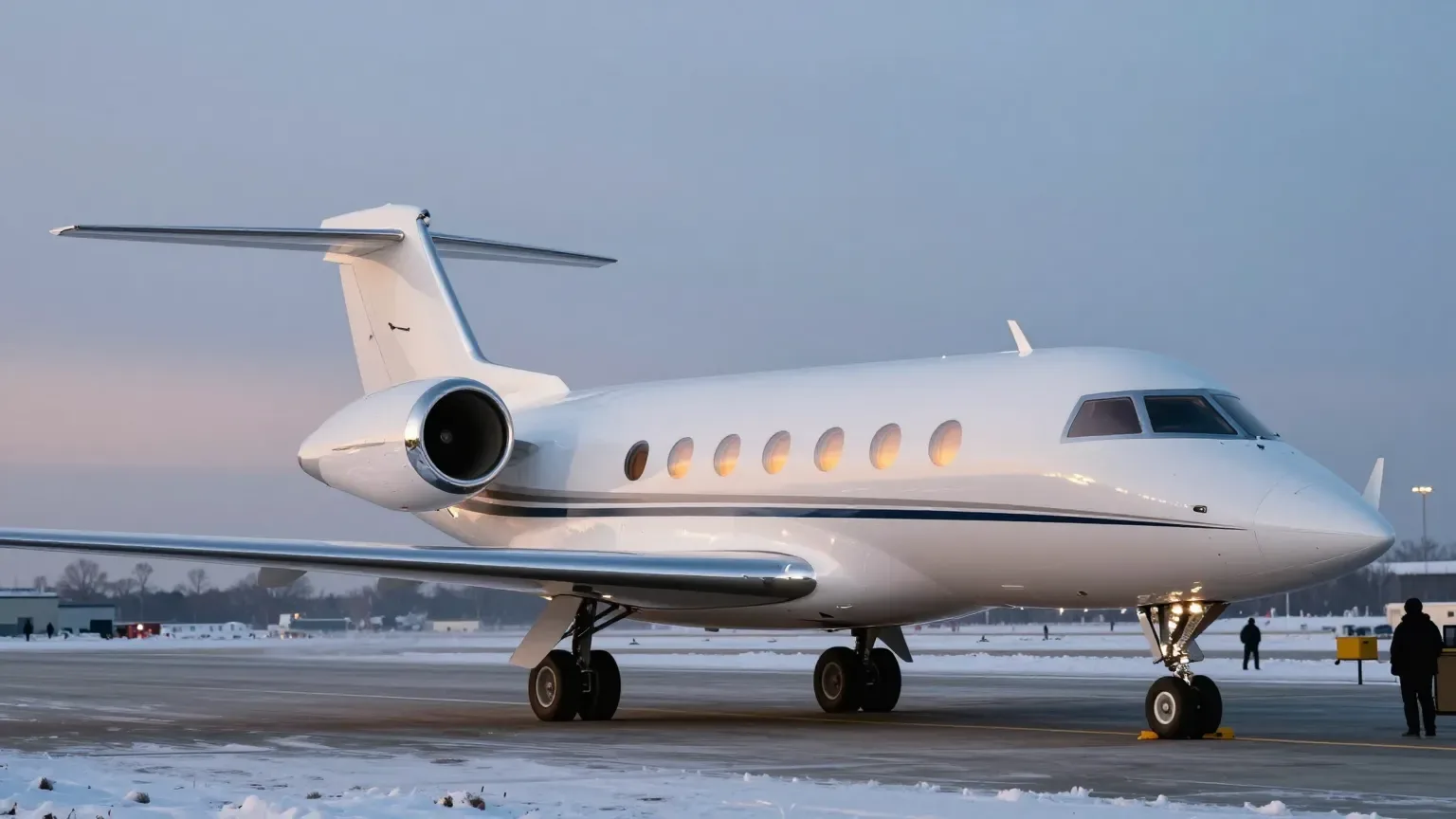
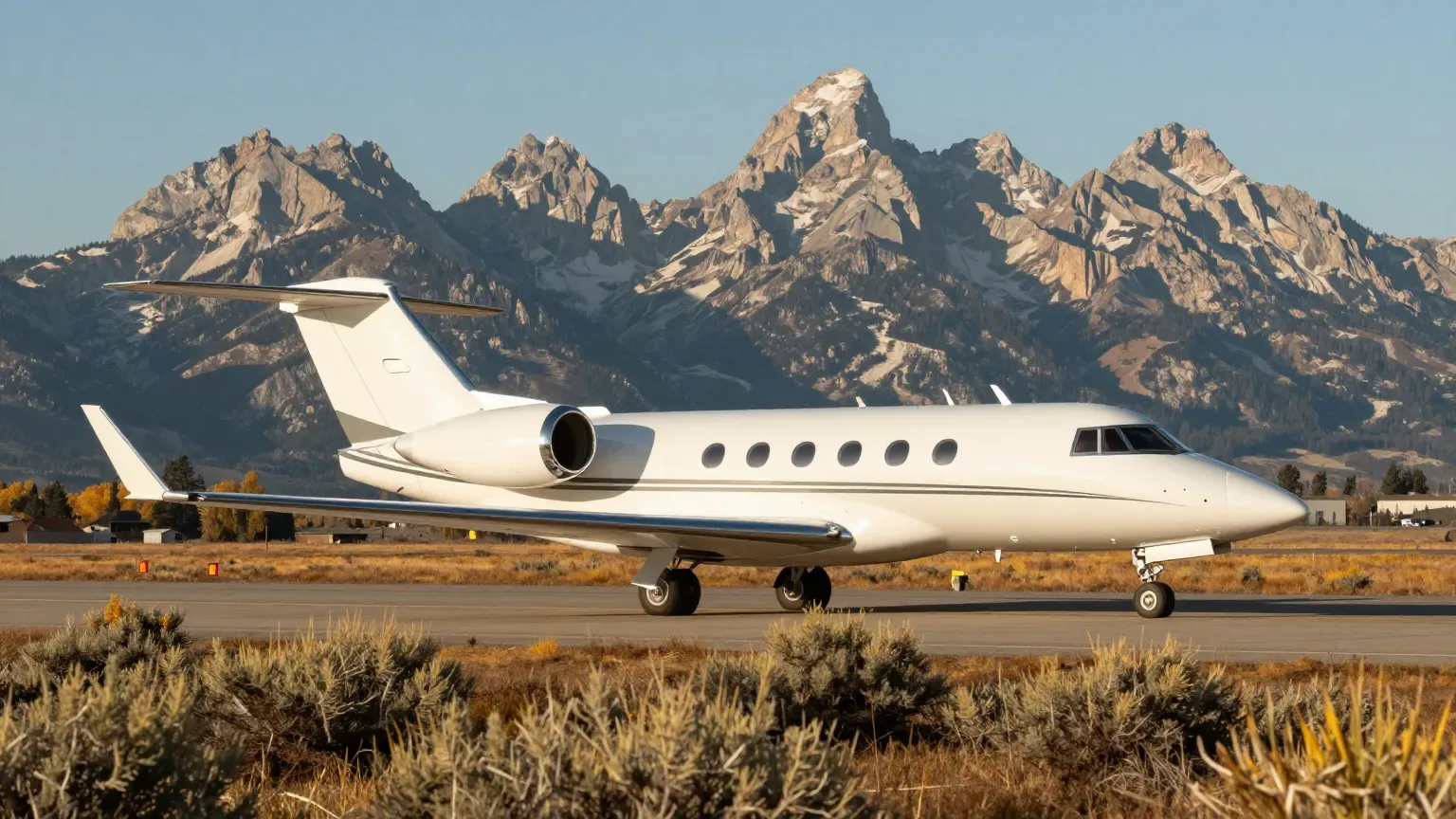
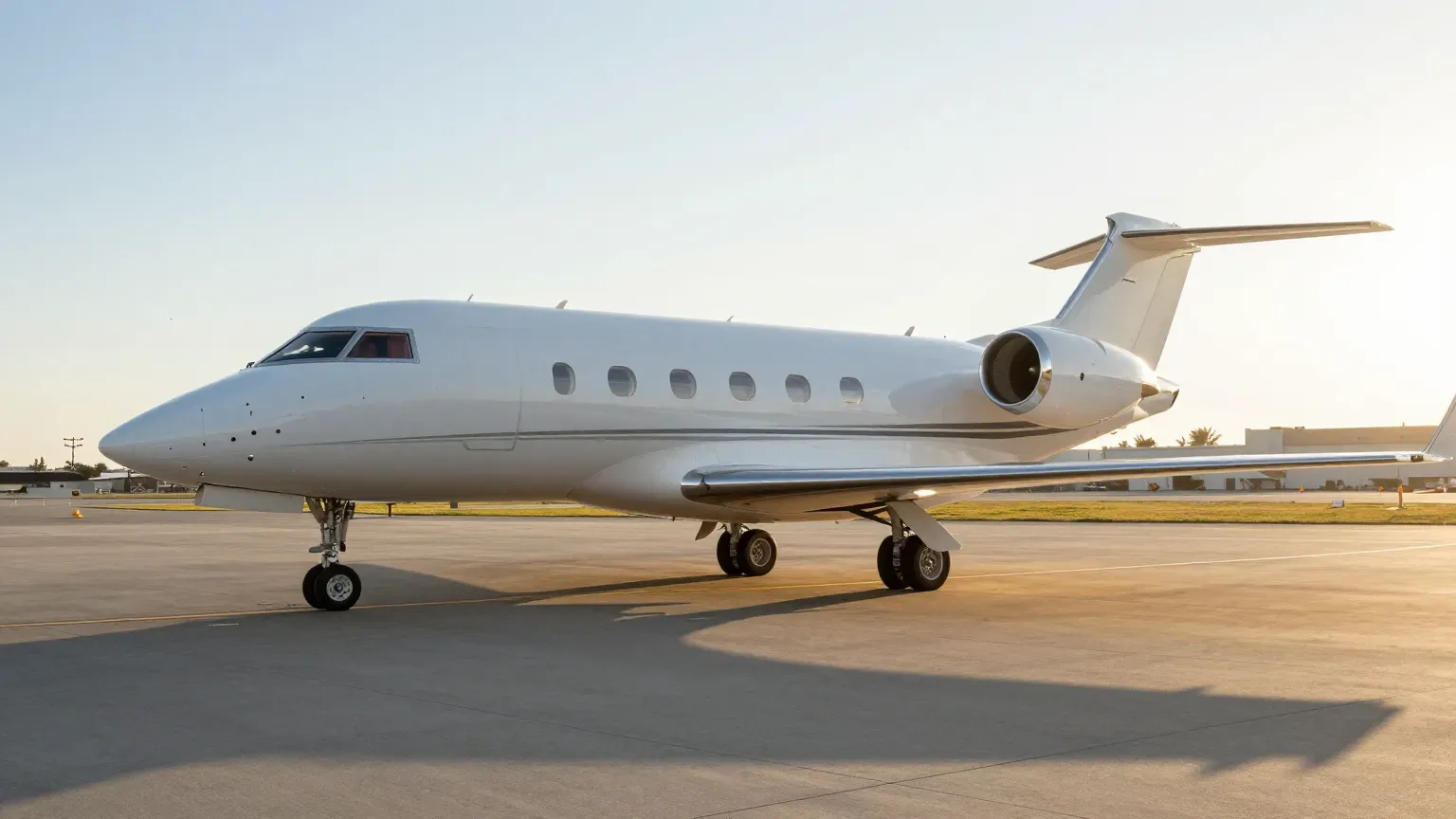
The first full week after Labor Day always does the same thing to our board. Summer leisure traffic falls away, transcontinental business traffic wakes up, and one airframe starts getting asked for by name more than any other. A Challenger 350 charter is where a large share of those September calls land, often from people who did not know the aircraft by name when they dialed. They knew what they wanted: ten seats, a cabin they can stand up in, and New York by dinner without a fuel stop.
It is worth being clear about why this jet, and not the half dozen others in its bracket. The Challenger 350 is not the fastest thing on the ramp, not the longest legged, and not the newest design in the super-midsize category. It is the one that covers the most real missions without asking anyone to compromise on the part they actually care about. That is a dull reason to be the segment's best seller. It is also the right one.
Why this airframe runs the fall calendar
September through mid December is the densest stretch of the year for corporate flying. Board meetings, closings, site visits, the last round of in-person diligence before the holidays. Those trips share a shape: four to eight people, a coast to coast leg or something close to it, and a same day or next day return.
That shape is exactly the middle of the Challenger 350's envelope. A light jet gets those people there, but with a fuel stop and a cabin nobody can stand up in. A heavy jet does it beautifully at a heavier hourly. The super-midsize bracket sits in between, and inside that bracket the 350 is the one operators bought in volume, which means it is the one most likely to actually be available on the day you want it. Availability is a specification too. We would rather quote you an aircraft that exists near your departure airport than the theoretically perfect tail sitting on the wrong side of the country.
You can see the wider bracket on our super-midsize category page, and the tail by tail detail on the Challenger 350 page.
The cabin, honestly described
Published typical configuration seats ten. The cabin runs about 25 feet 2 inches long, 7 feet 2 inches wide, and 6 feet 1 inch tall, with roughly 106 cubic feet of baggage and Ka-band connectivity. Exact layouts vary by tail, which is why dispatch confirms the interior with your quote rather than before it.
Here is what those numbers mean in practice. Six feet one inch of cabin height means most adults stand up straight, which matters more on a five hour leg than any brochure adjective. The flat floor means you are not stepping over a dropped aisle to get to the lavatory. Seven feet two inches of width means a double club four seat arrangement where two people can work facing each other without knees touching. And the baggage volume means golf clubs and ski bags go in the hold, not across the aft seats, which becomes the operative question again in about eight weeks.
Ten seats is the published number, not the comfortable number for a long leg. Eight aboard for a transcon is pleasant. Ten aboard for a transcon is a full airplane and you will feel it by hour four. Dispatch will say so if you ask, and sometimes when you do not.
Range, and the transcon question
Published range is roughly 3,200 nautical miles with reserves at a 488 knot cruise, ceiling 45,000 feet. The practical translation is that the 350 does the American coast to coast pair nonstop in normal conditions, including the harder westbound direction into the winter jet stream.
Practical is doing real work in that sentence. Range on paper assumes a set of conditions that your particular trip may not match. Load ten people and their luggage, add a strong headwind, add a runway that is short or hot or high, and the numbers move. We plan the Los Angeles to New York run on this airframe constantly and it holds up, but the fuel stop question gets answered by the flight plan on the day, not by a spec sheet in September. If a stop is likely, you will hear it from us before you book, not from the crew at the top of descent.
What actually moves your quote
Charter pricing is not a sticker. The hourly rate for a category is the starting input, and then the trip itself decides the rest: how many block hours the routing takes, whether the aircraft is already positioned near you or has to fly empty to get there, whether the schedule creates an overnight for the crew, what the destination charges for landing and handling, and the 7.5 percent federal excise tax that applies to domestic charter. Two people can fly the same route on the same aircraft type in the same week and see different numbers for entirely legitimate reasons.
We wrote up the mechanics in what affects charter price, and if you want a live number for a specific pairing rather than a range, the cost calculator will produce one. If the phrase block hours is doing unexplained work in your head, we defined it.
When we tell you to book something else
A good desk talks you out of aircraft at least as often as it talks you into them. Three cases where the 350 is the wrong answer.
Your trip is short and light. Two people flying an hour and change do not need ten seats and a flat floor. A light jet or a turboprop does that mission for meaningfully less, and the cabin difference on a sixty minute leg is close to academic.
Your trip runs past the envelope. Transatlantic from the East Coast is inside reach on many pairings and outside it on others depending on load and winds. Long Pacific and deep South American legs are a different category's job. That is what the heavy jets are for, and the honest version of the conversation is that you pay more per hour and stop worrying about the fuel stop.
Your group is genuinely ten plus luggage for five hours. Published seat count and comfortable seat count are different figures. Sometimes the right move is a step up in cabin size rather than a step up in range.
Getting one this month
Fall availability tightens in a predictable pattern. Midweek transcon departures out of the major business markets go first, Thursday and Friday returns go next, and anything touching a major event week goes early and does not come back. The 350 fleet is large, which buys you flexibility, but large is not infinite in the second week of a busy month.
Give us the route, the date, the passenger count and the bag situation, and we will come back with real availability and an all in number. If a cheaper airframe does your trip just as well, we will tell you that instead. Every flight is operated by an independent FAA Part 135 certificated air carrier, and every operator on the list has been through vetting before it ever reaches your quote.
Questions this raises
Asked at the desk
Published typical configuration seats ten, in a cabin about 25 feet 2 inches long, 7 feet 2 inches wide and 6 feet 1 inch tall. Layouts vary by tail, so dispatch confirms the exact interior with your quote. For a five hour leg, eight aboard is comfortable and ten is a full airplane.
Yes on normal conditions. Published range is roughly 3,200 nautical miles with reserves at a 488 knot cruise, which covers the American transcon pair in both directions. Heavy loads, strong headwinds and short or high runways can change that, so the flight plan on the day is the real answer.
Cost is the super-midsize hourly rate times the block hours your routing takes, plus positioning, crew overnights, landing and handling, and the 7.5 percent federal excise tax on domestic charter. Rates move with the market, so use the cost calculator or the aircraft page for a live number rather than a figure you read somewhere last year.
For a transcon with six or more people, usually yes: you get a flat floor, a stand up cabin and no fuel stop. For a short regional hop with two or three aboard, a midsize or light jet does the same job for less and the cabin difference barely registers.
Midweek transcon departures out of the major business markets are the first to go, followed by Thursday and Friday returns. The Challenger 350 fleet is large enough to give you flexibility, but during event weeks and the run up to the holidays we would ask for as much notice as you can give.
JetNine dispatch desk · Updated September 4, 2026 · aircraft · super-midsize · challenger 350