In this article
A private jet Los Angeles to Cabo is one of the easier international legs we run, and September is the month people stop thinking about it right before they should start. The lane is 793 nautical miles of mostly open water and Baja coastline, roughly two hours in the air, and it crosses a border, which is the only part that makes it different from a domestic hop to Scottsdale. Right now the ramp at Los Cabos is quiet, the operators have availability, and the winter calendar has not locked yet. That combination does not last.
The fall window is the quiet part of the Cabo calendar
Cabo's demand curve is blunt. It climbs through late November, peaks over the winter holidays, holds through spring break, and then falls off a cliff into summer. September and October sit in the trough on the way up.
Two things are happening in that trough. The first is weather. The eastern Pacific hurricane season officially runs to November 30, and while the overwhelming majority of days in that window are perfectly flyable, the ones that are not tend to arrive with several days of warning. That forecast risk is why late-season Cabo trips are cheaper to arrange and easier to staff. It is also why we tell anyone booking in September or October to leave a day of slack on the back end of the trip, not because we expect to use it, but because the alternative is rebooking a return leg against a full ramp.
The second is the October ramp crunch. Cabo San Lucas hosts a run of big-money sportfishing tournaments in October, and for about two weeks the parking at Los Cabos International tightens considerably. If your dates land in that stretch, the aircraft is rarely the problem. Ramp space and overnight parking are. Tell us early and we solve it on the ground side.
What the leg actually looks like from the desk
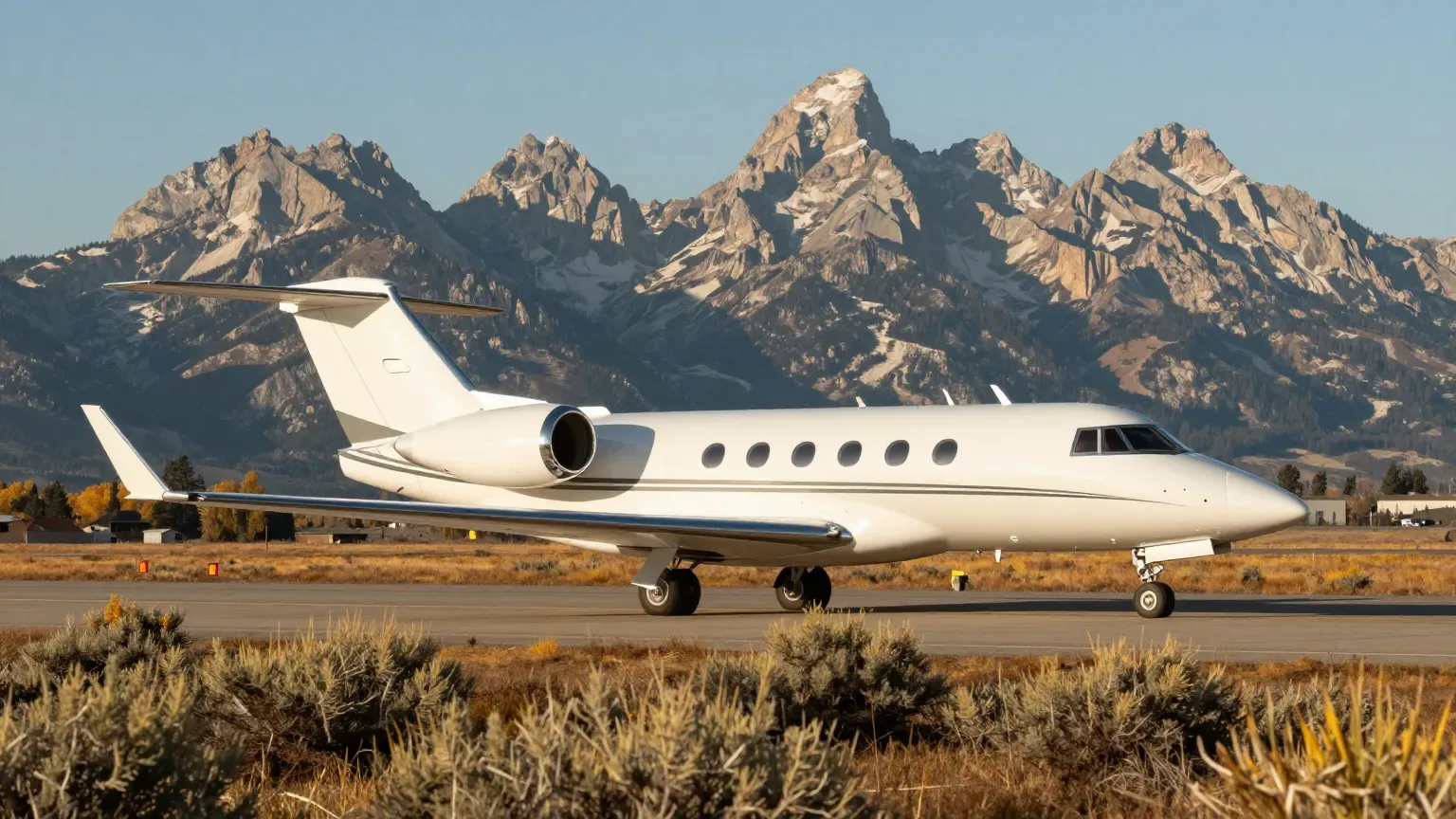
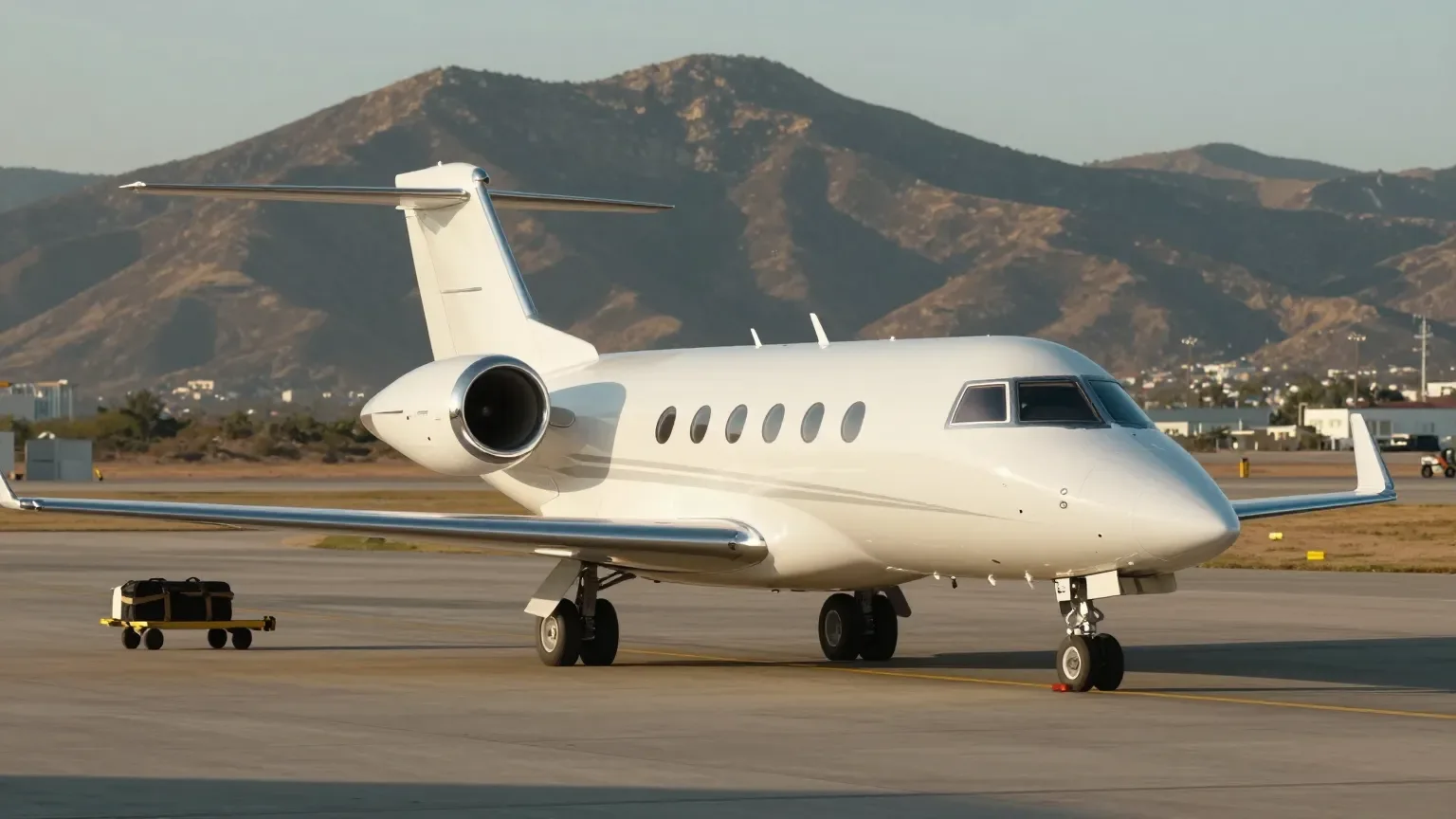
Los Angeles International to Los Cabos International is 793 NM great-circle. In practice that is a little over two hours of block time in a super-midsize, about two hours twenty in a light jet, and just over three in a turboprop. Every category on our board flies it without a fuel stop, which is worth saying plainly, because on a lot of transborder lanes the range question is real. Here it is not.
That means the choice of cabin is a comfort and baggage decision rather than a range decision, which is a nicer problem to have. The current block times and indicative ranges per category are all laid out on the Los Angeles to Cabo route page, and if you want to move the variables around yourself, the cost calculator prices the lane as you type. We do not publish a flat number here because the honest number depends on your date, your passenger count, and what is sitting in position that week.
Customs is the part people forget
This is the section that actually separates Cabo from a domestic trip, and it is the one that trips up first-time international charter passengers.
Going south, the operator files an electronic manifest with US Customs and Border Protection before departure, and Mexican authorities need their own passenger and crew detail. Every passenger needs a valid passport, no exceptions, and every passenger needs the Mexican entry permit, which the handler processes on arrival. The aircraft itself needs a landing permit and Mexican liability coverage, and the operator needs the operations specifications that authorize Mexico in the first place. Not every Part 135 certificate holder has them. This is one of the reasons we do not simply take the cheapest available tail on an international lane, and it is baked into how operator vetting works on our side.
Coming home is where the geography matters. You cannot fly Cabo to any California field you like and walk off. The return has to land first at a US airport with a Customs facility, clear there, and continue if your final destination is somewhere else. We pick that clearance point when we build the itinerary, and we tell you before you sign rather than after you land. Clearance on the ramp typically takes minutes when the manifest is clean and the aircraft is expected. It takes considerably longer when it is not.
The practical version: your document work is a passport and a form. Everything else is ours, and it should be itemized on the quote as international handling rather than appearing as a surprise line on arrival. If a quote for this lane does not show that itemization, ask why.
Which cabin you actually want
For four passengers with normal luggage, a light jet is the right call and the wizard will say so. The math changes fast once you add cargo.
Cabo trips carry unusual bags. Golf clubs, dive gear, surfboards, and in October, rod tubes that are longer than most baggage compartments care for. A midsize cabin buys you the baggage volume and a lavatory that people will actually use on a two hour leg, and it is the category we quietly steer most Cabo groups toward when the manifest includes anything with a hard case. Super-midsize buys you twenty minutes and a stand-up cabin, which some people want for the return leg more than the outbound.
Tell us what is going in the hold when you ask for the quote, not at the FBO. Board bags in particular have a habit of being announced on the ramp, and the honest answer at that point is sometimes no.
Lead time, and where empty legs fit
For September and October dates, a week or two of notice is usually comfortable, and same day is genuinely flyable on this lane more often than people expect. For anything between Thanksgiving and New Year, that stops being true. Holiday Cabo is committed early and priced accordingly, and the question of how far in advance to book answers itself once the calendar turns.
This is also a strong lane for repositioning. Aircraft go down to Cabo full and come back empty constantly, and the reverse happens on the return side of other people's trips. If your dates have any flexibility at all, put the pair on an empty leg watchlist and let the discount come to you. Flexible dates and a fixed route is the profile that actually catches one. A fixed date and a flexible route almost never does.
What we tell people who call in September
Book the outbound on the date you want, leave the return a day looser than feels necessary, send us the passport details early, and tell us about the boards. That is the whole job on your end.
The rest of it, the permits, the manifests, the clearance point on the way home, the ramp space during tournament weeks, is why the desk exists. Cabo in the fall is a two hour flight to a quiet ramp with a short line at customs, which is roughly the best version of an international trip that exists. It stops being that in about eight weeks.
Questions this raises
Asked at the desk
The leg is 793 nautical miles great-circle from Los Angeles International to Los Cabos International. Block time runs a little over two hours in a super-midsize and about two hours twenty minutes in a light jet, with no fuel stop in any category we quote on the lane.
Yes. Every passenger needs a valid passport, and every passenger needs the Mexican entry permit, which the ground handler processes on arrival. Private aviation does not change the document requirements, only the queue.
The return has to land first at a US airport with a Customs and Border Protection facility, clear there, and continue on if your final destination is elsewhere. Dispatch selects that clearance point when the itinerary is built and tells you before you sign.
September and October sit in the quiet part of the Cabo calendar, before demand climbs toward the winter holidays, so availability is better and lead times are shorter. Leave a day of slack on the return, since the eastern Pacific hurricane season officially runs to November 30.
Usually yes, but baggage volume is the constraint, not weight, and a midsize cabin handles hard cases far better than a light jet. Tell dispatch what is going in the hold when you request the quote rather than at the FBO.
JetNine dispatch desk · Updated September 18, 2026 · routes · cabo · seasonal · international