In this article
Single pilot charter is not a loophole and it is not a scare story. It is a legal, ordinary way to operate a good number of the airframes you will see on a charter quote, and nothing in the price tells you which one you are getting. The desk gets asked about it in waves, usually after someone reads a thread about an accident and goes looking at the tail number on their last trip sheet. So here is the plain version: what one seat versus two actually means, what the regulations require, and why the first week of October is a sensible moment to start asking.
What single pilot charter actually means
Two different things get collapsed into one phrase, and keeping them apart is most of the work.
The first is type certification. Some aircraft are certified so that one appropriately rated pilot can legally fly them. The Pilatus PC-12 NGX is the best known example, the Daher TBM 960 is another, and the ceiling is higher than people expect: the Citation CJ4 is a 45,000 foot, 2,100 nautical mile jet that is also single pilot certified. Certification is a property of the airframe and the rating, nothing more.
The second thing is crew complement, which is the decision the operator makes on the day. An aircraft certified for one pilot can be, and very often is, flown with two. The two facts are independent, and only the second one affects your flight.
What this means in practice is that "single pilot certified" on a spec sheet is not a warning label. It describes what the aircraft is allowed to do, not what your charter will do. The question worth asking is never about the certificate. It is about who is in the right seat on your departure.
Where the second seat comes from, legally
Under FAA Part 135, the rules governing commercial charter, a second pilot is not universally required. For turbine powered aircraft the baseline is that two pilots are needed for IFR operations, and there is a specific carve out: an operator with an approved autopilot system can fly single pilot in lieu of a second in command. That approval is written into the operator's certificate, inspected, and limited to named aircraft.
So a single pilot charter under IFR is legal when the operator holds that authorization, the pilot holds the rating, and the autopilot is working. All three have to be true at once, which is why the authorization matters more than the aircraft type.
Part 135 also puts the crew question into the duty day. Flight time limits for unscheduled operations allow eight hours of flight time in a twenty four hour period for a one pilot crew, and ten hours for a two pilot crew in a multiengine airplane. That gap is the regulation admitting something simple: one person flying is a more fatiguing job than two people flying, and the rulebook shortens the day accordingly.
None of this is a judgment on single pilot operators. Plenty of them run disciplined, well equipped, long running operations. It is a description of the floor, and the floor is lower than most passengers assume.
What the right seat does when nothing goes wrong
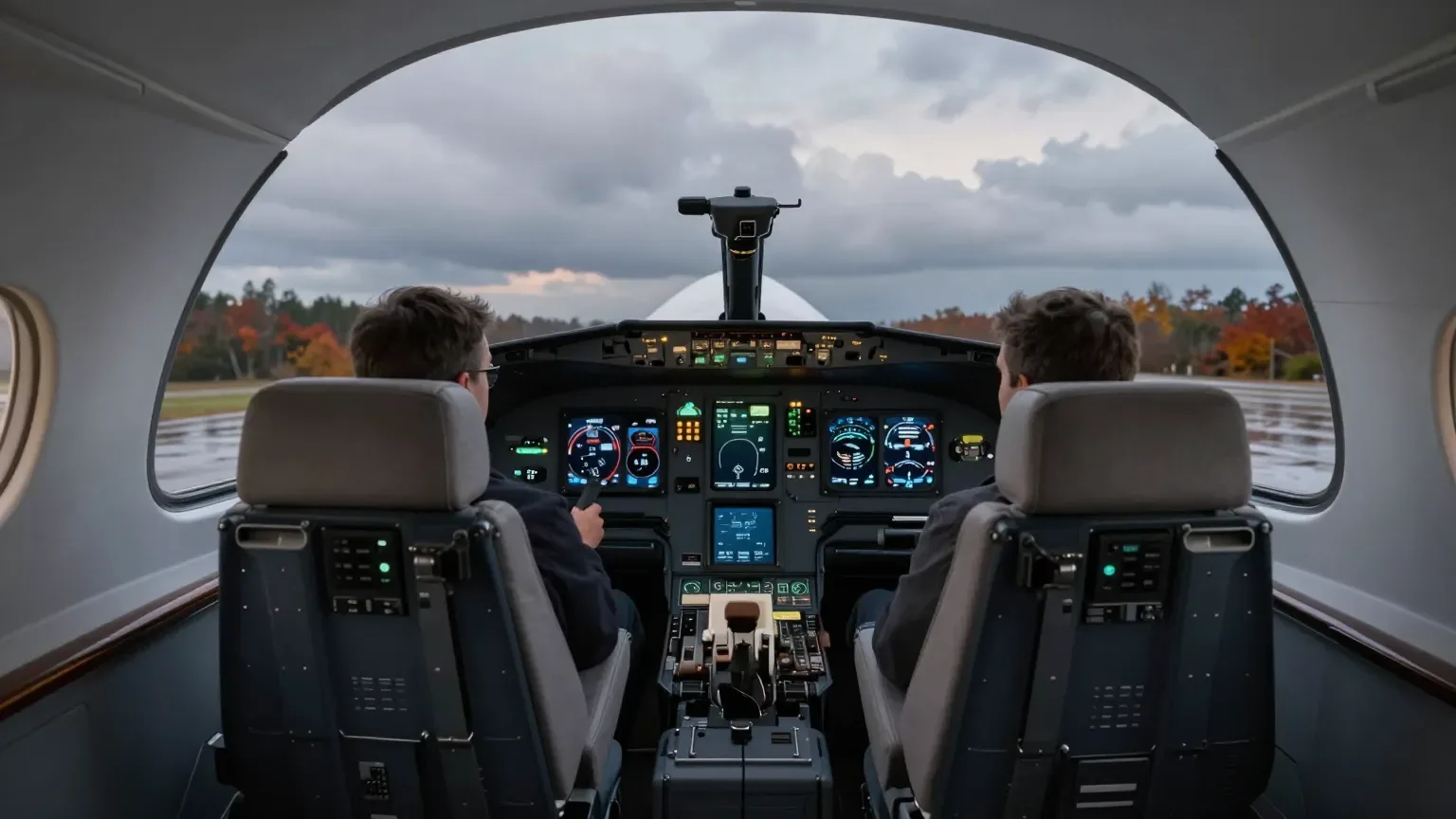
The case for two crew is not about pilot competence. It is about workload distribution on a normal day that turns busy.
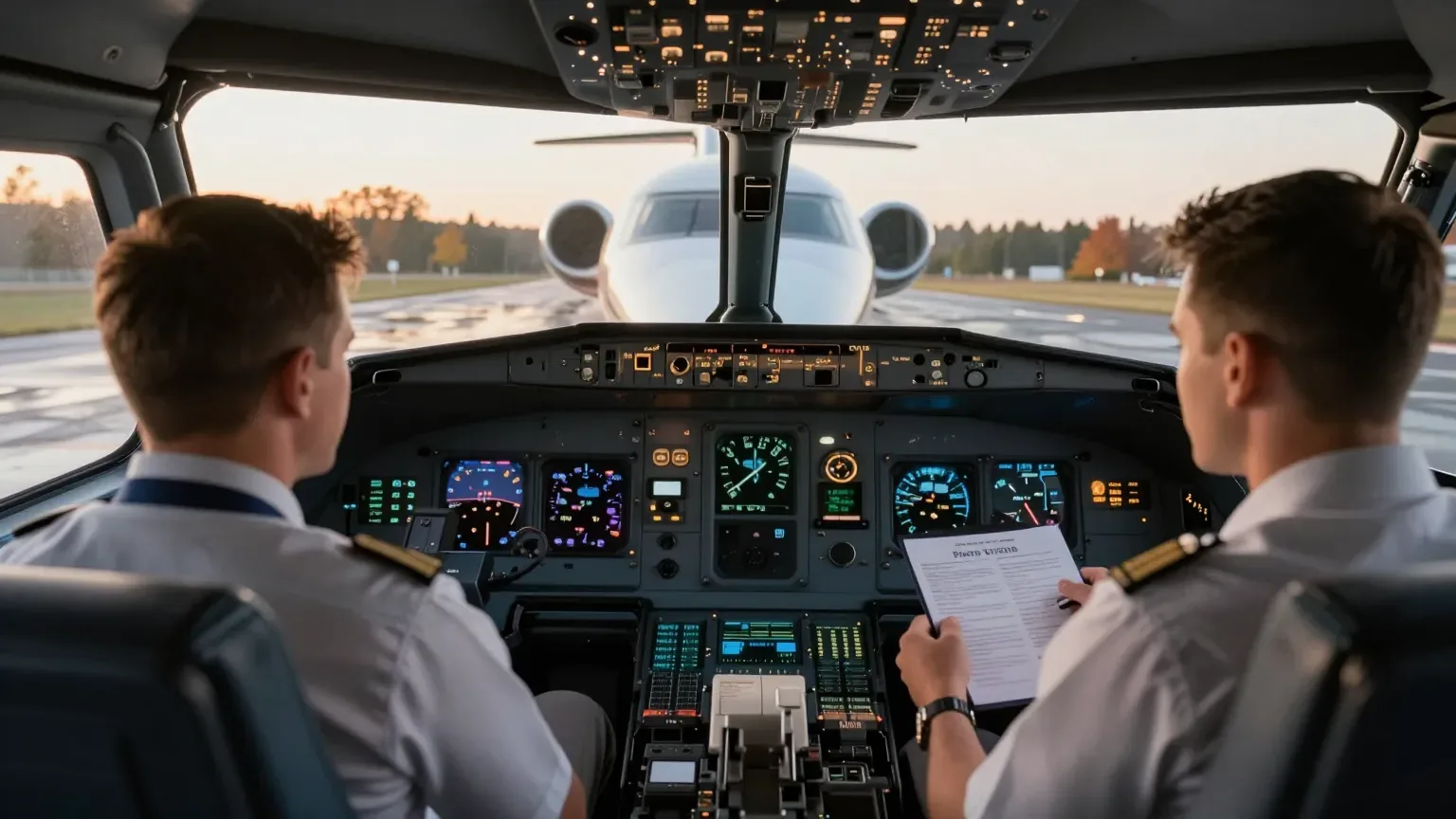
A charter leg concentrates its demands into the first and last fifteen minutes. On arrival you can be given a runway change inside the final approach fix, a reroute around weather, a traffic call, a frequency change, and a checklist, all in roughly ninety seconds. With two pilots that splits cleanly: one flies, one talks, reads, reprograms the box and watches the first one. With one pilot it is sequential. Everything still gets done, and nothing gets done at the same time.
The second seat also changes what happens on the ground. A pilot who has been handling the radio, the paperwork, the fueling conversation and the passenger briefing alone arrives at the next leg with less margin than one who has split those jobs. Margin is the entire product. It is invisible on the days you do not need it.
And then there is the simple case: a pilot who becomes unwell at altitude. A second qualified pilot turns that from an emergency into an inconvenience.
Our own floor is two ATP rated pilots, in type, on every leg, with a 3,500 hour minimum for the captain and 2,500 for the co-pilot, both current on the aircraft within ninety days. The full set of numbers, including what gets checked at the trip level before a booking, is on the pilot standards page. We hold it on the single pilot certified aircraft too, which is why the CJ4 page says what it says.
Why October sharpens the question
A crew question that is academic in July stops being academic now.
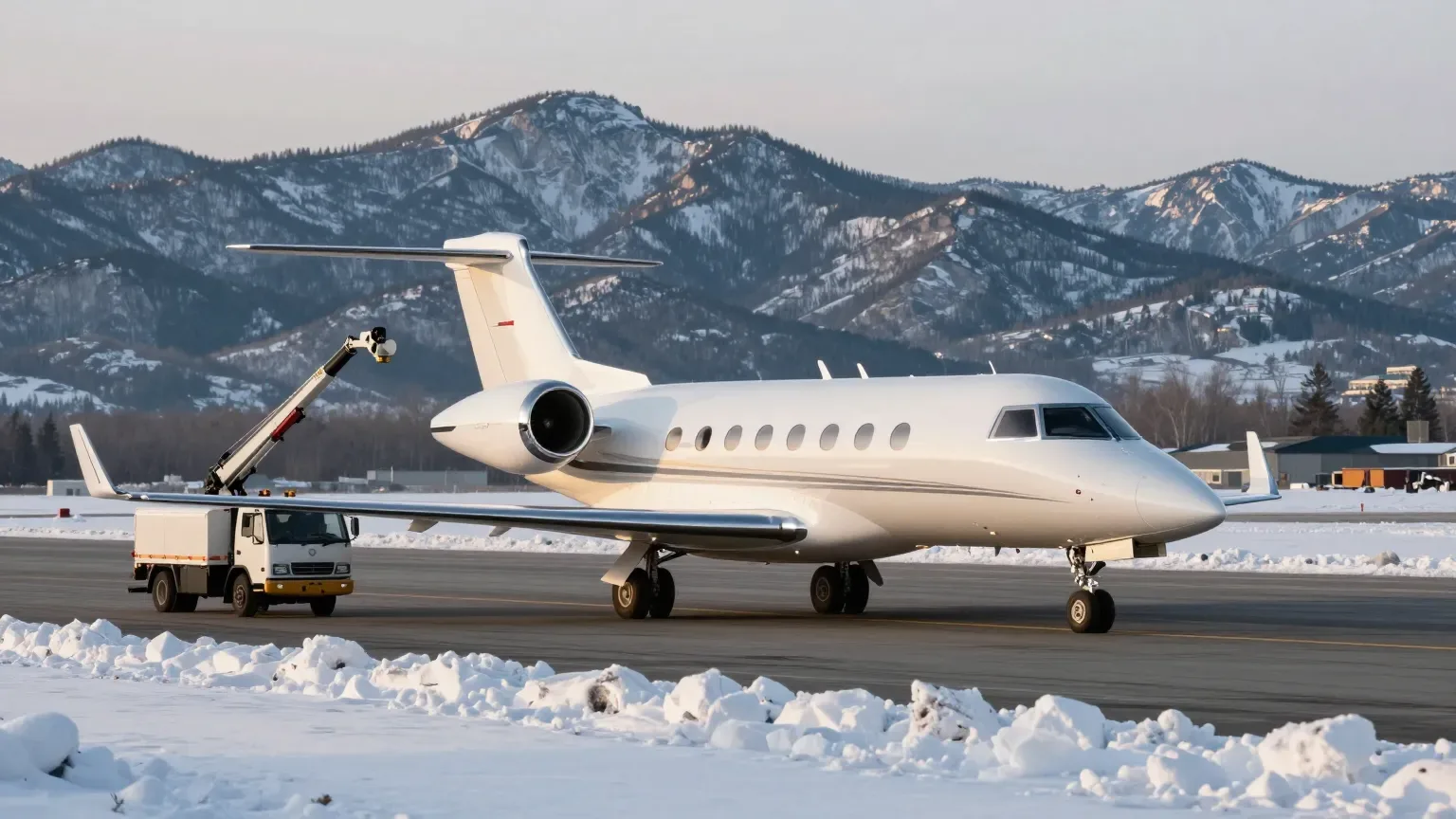
Three things change at once in the first weeks of October. Daylight shrinks, so legs that were flown in daylight a month ago are now night arrivals. Actual instrument conditions become routine rather than occasional, which is exactly the regime where the second in command requirement and the autopilot exception live. And icing enters the picture, which adds decisions, delays and a de-icing stop to a departure that used to be a straight taxi out. We wrote about what de-icing season does to a quote last week, and the operational half of that story is workload.
Mountain season compounds it. The fields that fill up from late November, Aspen, Jackson Hole, Eagle, Telluride, combine terrain, short runways, weather that changes inside an hour, and approach procedures that require specific crew qualification. That is the thinnest margin flying on the calendar, and it is also where the lightest aircraft, the ones most likely to be single pilot capable, do a lot of their work.
If you are going to care about crew complement for one quarter of the year, this is the quarter.
Asking about crew before you book
Three questions, and you will know where you stand inside a minute.
First, how many pilots are crewing my legs. Not "does this aircraft need two", which invites a certification answer. Ask for the number of humans.
Second, are both pilots type rated and current on this specific aircraft. Current, not qualified. Ninety days is a reasonable bar to ask about.
Third, what are the operator's published minimums, and when was the operator last audited. A broker who vets properly will have the numbers to hand. A broker who does not will tell you the operator is "fully certified", which is a sentence that means the operator has a certificate.
The honest framing is the one on our safety standards page: the variance between charter operators is the actual risk, and vetting is how it gets removed. Crew complement is one line of that, and it is the line a passenger can check without any aviation background. If you want the longer answer on how much of charter safety is operator selection rather than aircraft selection, start here.
Ask the question. On a well run flight the answer is boring, and boring is the whole point.
Questions this raises
Asked at the desk
Yes. Under FAA Part 135 a turbine aircraft normally needs two pilots for IFR flight, but an operator with an approved autopilot system can be authorized to fly single pilot in lieu of a second in command. That authorization is written into the operator certificate and limited to named aircraft.
More than most passengers expect. The Pilatus PC-12 NGX and Daher TBM 960 turboprops are single pilot certified, and so are light jets including the Citation CJ4 and several of the CJ and Phenom family. Certification describes what the airframe allows, not what crew your flight will actually have.
No. Our floor is two ATP rated pilots, type rated and current on the aircraft within ninety days, on every leg. That holds on the single pilot certified aircraft on our board as well, and it holds on empty legs.
Ask the broker for the number of pilots crewing your legs, not whether the aircraft requires two. Then ask whether both are type rated and current on that specific airframe. A broker that vets operators properly will answer both without checking back.
The workload does. Night arrivals, actual instrument conditions, icing and mountain approaches all land in the same months, and those are the conditions where a second pilot changes the margin most.
JetNine dispatch desk · Updated October 1, 2026 · safety · pilots · turboprop