In this article
Everyone asks about the airplane. Almost nobody asks about the two people who will actually fly it. Private jet pilot requirements are the least glamorous line item on a charter, and the one that quietly decides how your day goes when the weather at the destination turns out worse than forecast. So here is the plain version from the dispatch desk: what the FAA actually requires, what a serious operator requires on top of that, and how to tell within about ninety seconds which one you are talking to.
The certificate everyone cites, and what it proves
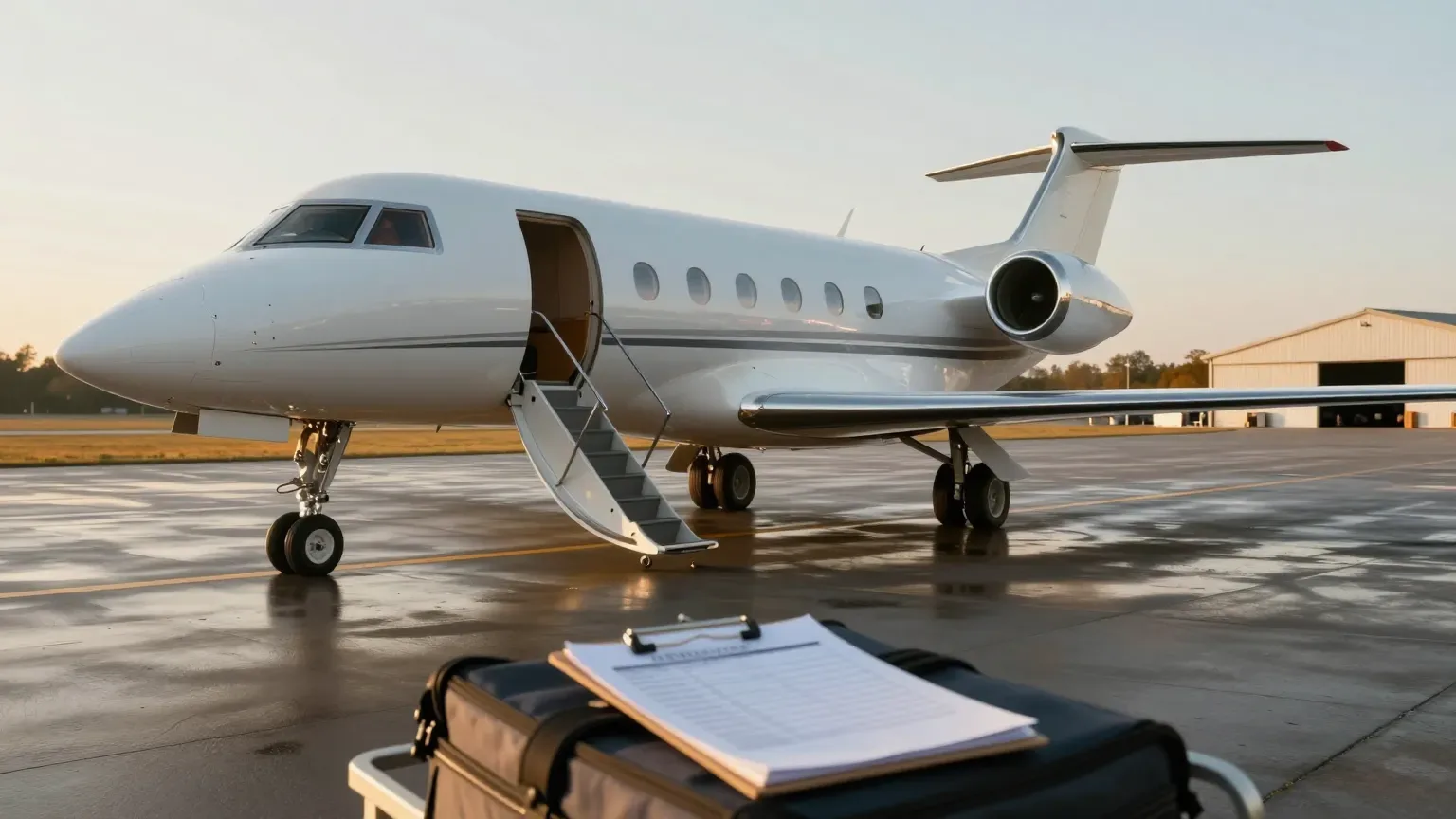
The first thing you will hear is that the flight is operated under FAA Part 135, the commercial charter rule. That is true and it matters. Part 135 sets pilot certification and experience minimums, recurrent training cycles, crew rest and duty limits, drug and alcohol testing, and operational control requirements. It is a genuine bar, far above the Part 91 rules that govern private, non commercial flying.
It is also a floor. A certificate tells you an operator is legal. It does not tell you whether the captain has three thousand hours in the aircraft on your quote or three hundred, because Part 135 permits a fairly wide range of crew configurations depending on the aircraft and the operator's approved operations specifications. Two operators can both be perfectly certificated and put meaningfully different crews in the cockpit. That gap between legal and good is the entire subject of this article, and the reason we publish our own pilot standards rather than pointing at the regulation and calling it a day.
Hours are a floor, not a resume
The number people fixate on is total flight time, and it is a reasonable starting point as long as you know what it does and does not measure.
For scale: the FAA requires 1,500 hours for an Airline Transport Pilot certificate, which is the certificate an airline captain holds and the level at which a regional airline can hire a first officer. Our published floor for a pilot in command is 3,500 hours, with a 2,500 hour minimum in the right seat, so the second in command on a JetNine trip has already cleared the bar an airline sets for hiring. Preferred operators routinely field captains well above five thousand.
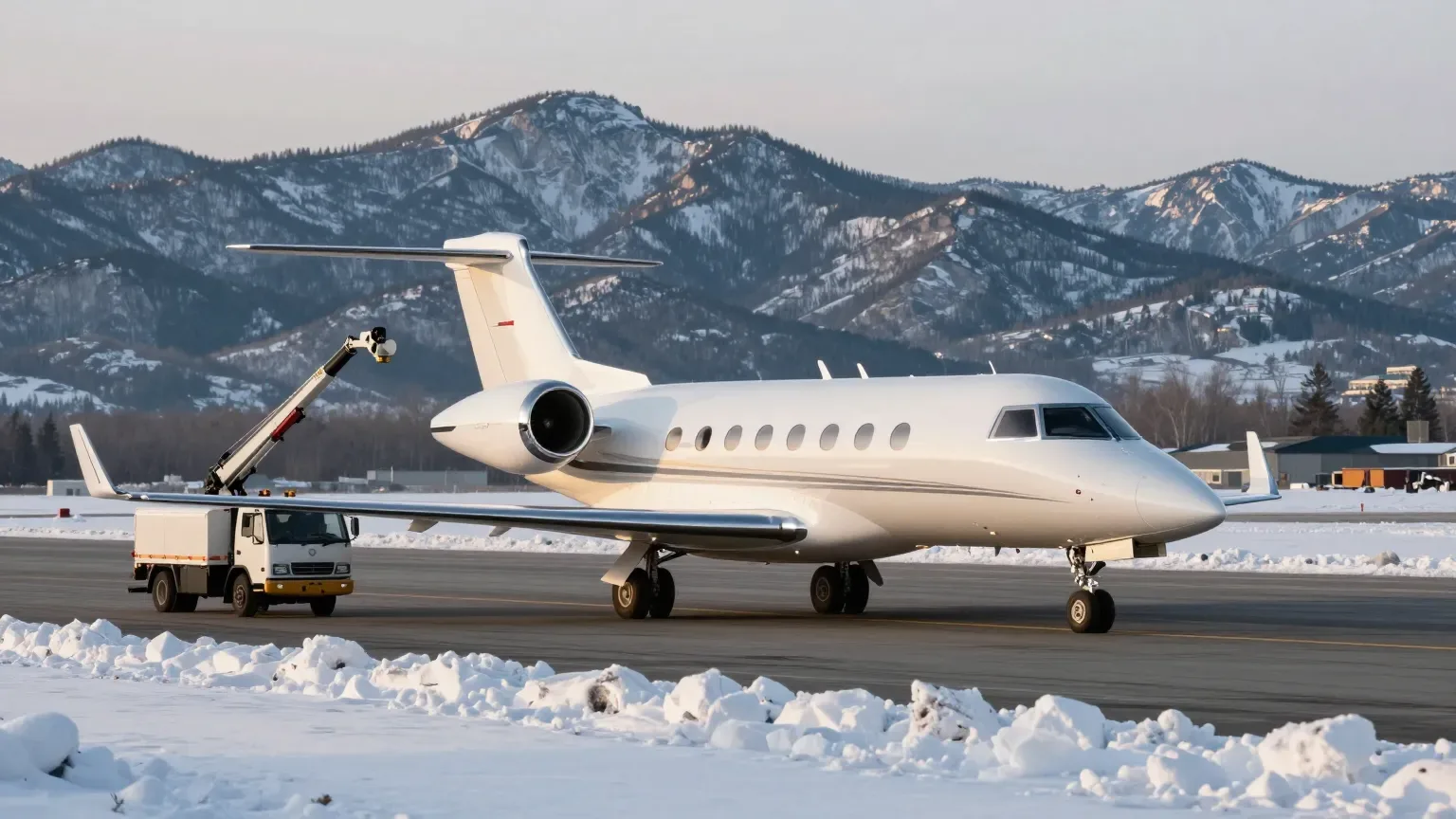
What total time does not tell you is where those hours were flown. Ten thousand hours of daylight sightseeing in a piston single is not preparation for a night approach into a mountain airport with a low ceiling. This is why the number that actually deserves your attention is the next one.
In type and current is the part most people skip
Time in type is hours flown in the specific aircraft on your trip, not the general category. A pilot can be excellent in a light jet and simply new to a super midsize, and the transition is real: different systems, different speeds, different automation logic, different behavior when something fails. We hold a 1,500 hour in type minimum for the captain, and we require both pilots to be type rated on the actual airframe rather than merely qualified in the class.
Currency is the companion number. A type rating earned four years ago and rarely exercised since is a credential, not a skill. Both pilots on our flights are current in the aircraft within ninety days, checked at the operator level during the annual audit and again at the trip level before the booking is confirmed. Annual audits are snapshots. Trips happen on ordinary Tuesdays, which is why the trip level check exists at all. The full sequence, from certificate and insurance verification through the tail specific review, is written out in how we vet operators and in the companion piece on what vetting looks like in practice.
Third party auditors sit alongside all of this. ARGUS and Wyvern rate operators beyond the regulatory minimum, and at the higher tiers they conduct on site operational reviews and pilot specific qualification checks rather than paperwork reviews. A rating on a quote is useful information once you know what each tier covers, which is what our ratings decoder is for.
Two pilots, and no carve-outs for easy legs
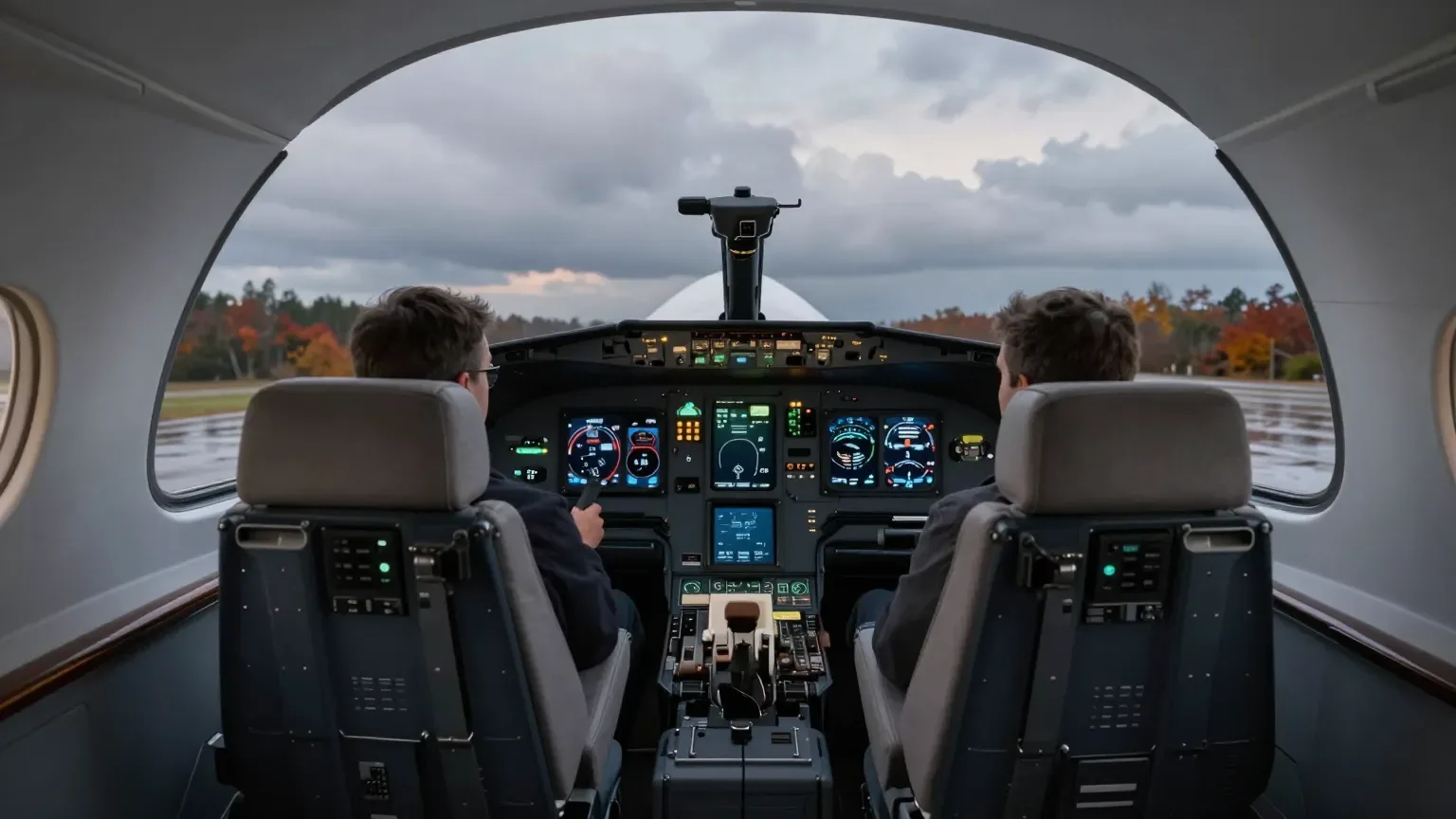
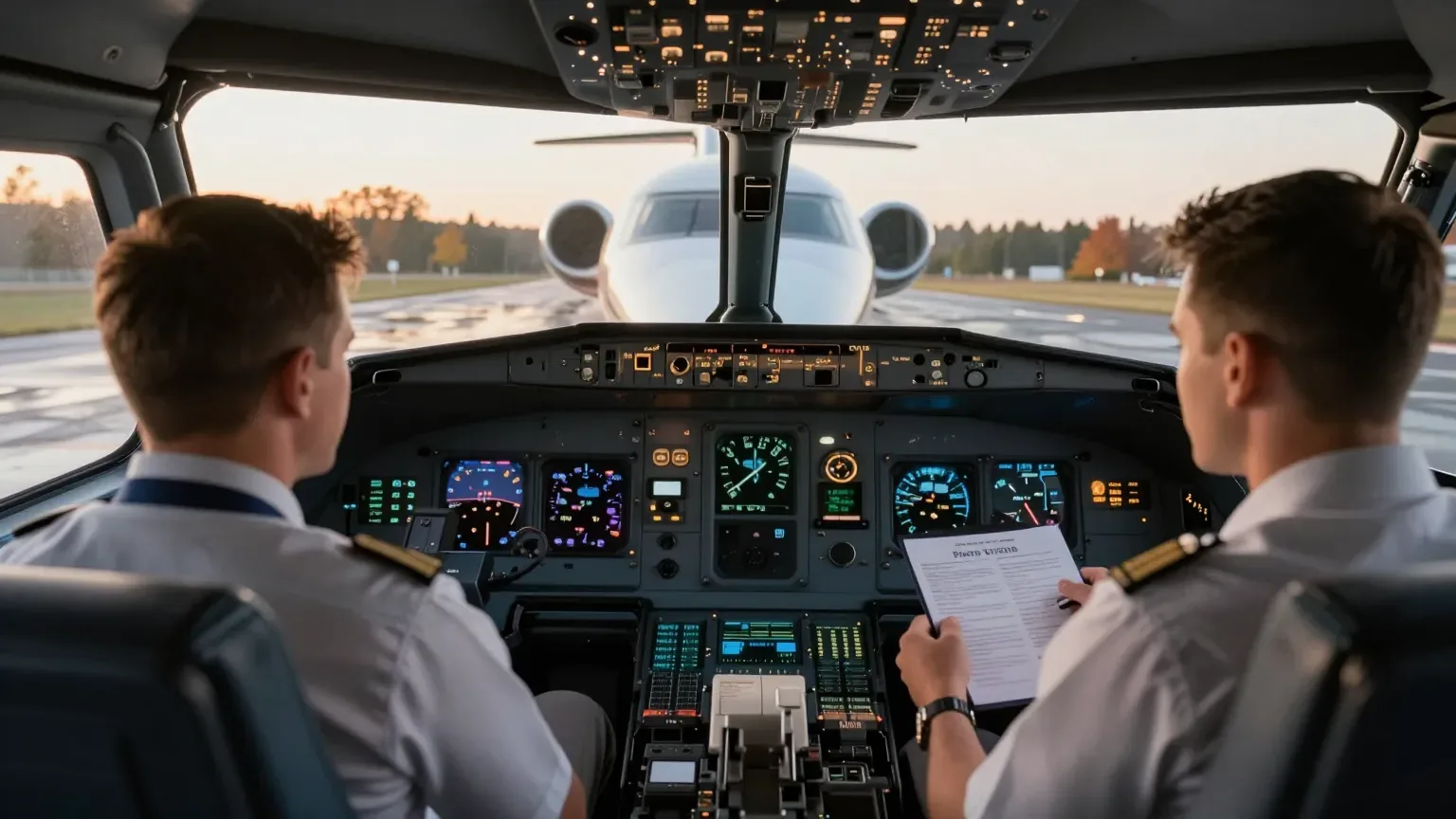
Some aircraft are certified for single pilot operation and some operators fly them that way, legally. We do not. Two ATP rated pilots, both type rated, on every flight, including the short repositioning hop in clear skies at ten in the morning.
That policy costs money and it is worth it, because the second pilot is not redundancy for the routine case. The second pilot is the person who catches the misread altitude, runs the checklist while the other flies, and takes the radio when the airport suddenly gets busy. The routine case never needed two pilots. The other case always does, and you cannot know in advance which one you booked.
The same logic applies to carve-outs. A standard that relaxes for daylight, for short legs, or for good visibility is not a standard, it is a preference. Legs over eight hours of block time get an augmented crew on our preferred operators for the same reason. And the crew floor does not move for discounted lift either: an empty leg is the same airframe, same operator and same crew standard as a full price charter, because the savings come from repositioning economics and never from the safety side of the ledger.
Fatigue is the September problem
Here is a seasonal note from the desk. Early September is when the calendar tightens. Summer leisure flying overlaps with the return of corporate travel, the days are getting shorter as the equinox approaches, and more legs finish in the dark than did six weeks ago. The busy season creates pressure on schedules, and schedule pressure is where crew duty limits stop being paperwork and start being the thing protecting you.
Duty and rest limits are regulated under Part 135, but the regulation defines the outer boundary, not good judgment. The failure mode is not an operator flagrantly breaking rules. It is a crew that is technically legal on hour four of a delay after a five in the morning report time, being asked to make it work because the alternative is a disappointed client. We check duty time before every booking, and a trip that would put a crew at the edge of legal gets a different aircraft rather than a phone call asking them to stretch. If your broker cannot tell you what time the crew reported for duty, they are not managing that risk. They are hoping about it.
Four questions that get you a real answer
You do not need to be an aviation lawyer to audit this. Ask these before you sign anything, and listen for specifics rather than adjectives.
- Who is the operator, by name, and what is their third party rating and audit date? "Our vetted network" is not an answer.
- What are the captain's total hours and hours in this specific type? A serious desk has the number, not a range.
- Is this a two pilot crew, and are both pilots type rated on this airframe?
- What is the crew's duty day on my trip, and what happens if we go mechanical the night before? The recovery plan is a safety answer too, because that is exactly where standards quietly get bent.
A broker who answers all four without flinching is doing the job. One who redirects to cabin photos and catering is selling you something else. For the broader picture of how charter safety stacks up as a category, we keep a plain answer at is flying private safe, and everything we require of a crew, in one page, lives at pilot standards.
Questions this raises
Asked at the desk
FAA Part 135 sets the regulatory minimum for certification, training, and crew rest. JetNine holds a higher floor on top of it: two ATP rated pilots, both type rated on the aircraft, with a 3,500 hour minimum for the captain and 2,500 for the second in command.
Not always. Some light jets and turboprops are certified for single pilot operation and some operators fly them that way legally. Every JetNine flight is crewed with two type rated pilots, including short repositioning legs.
Time in type is hours flown in the specific aircraft model on your trip, not the general category. It matters because systems, speeds, and failure behavior differ between types, so a captain with thousands of total hours can still be new to the airframe you booked.
Yes. An empty leg is the same airframe, the same operator, and the same crew standard as a full price charter. The savings come from repositioning economics, never from the safety floor.
Ask for the operator by name, their third party audit rating and date, the captain's total and in type hours, and the crew duty day for your trip. A broker managing the risk will have those specifics on hand.
JetNine dispatch desk · Updated September 7, 2026 · safety · pilots · operators